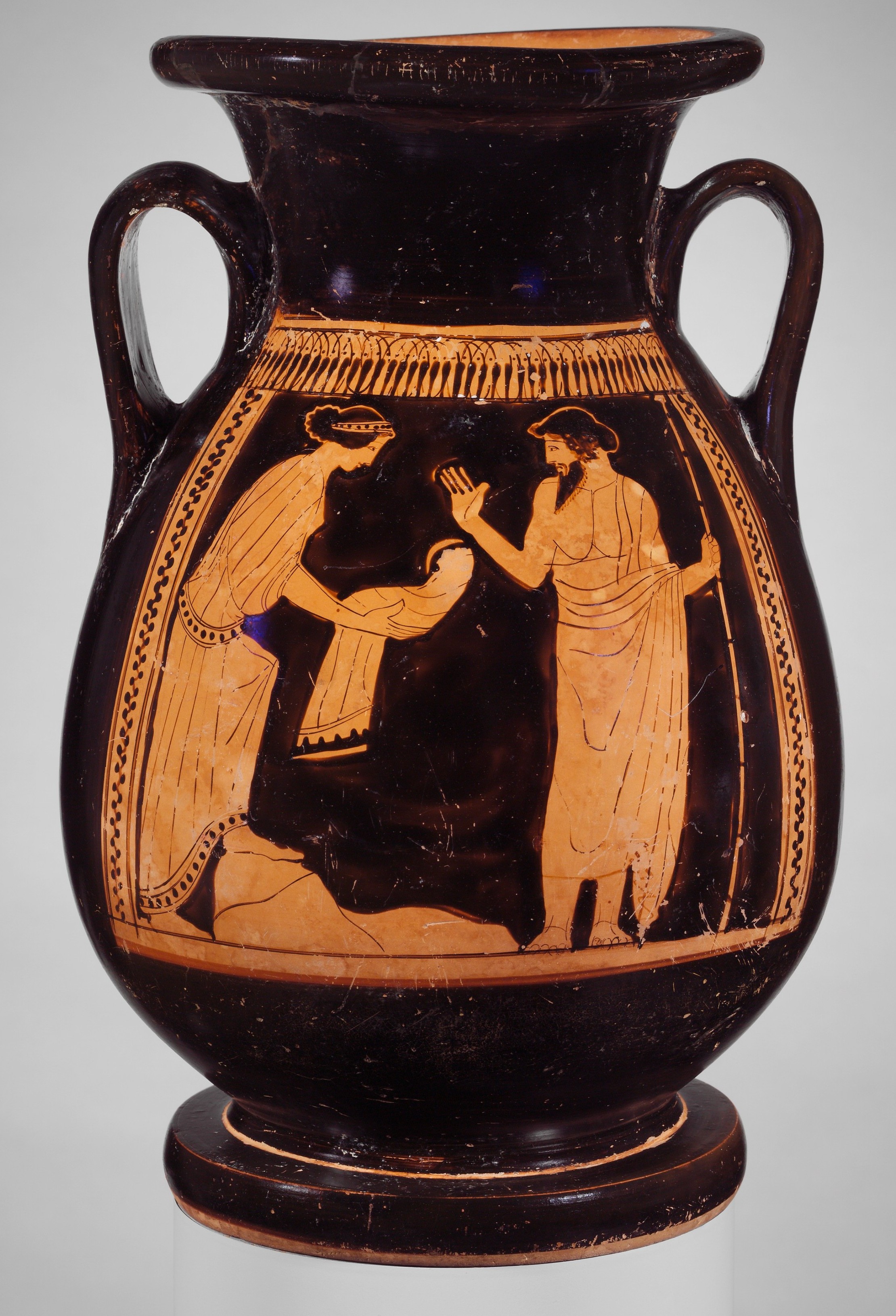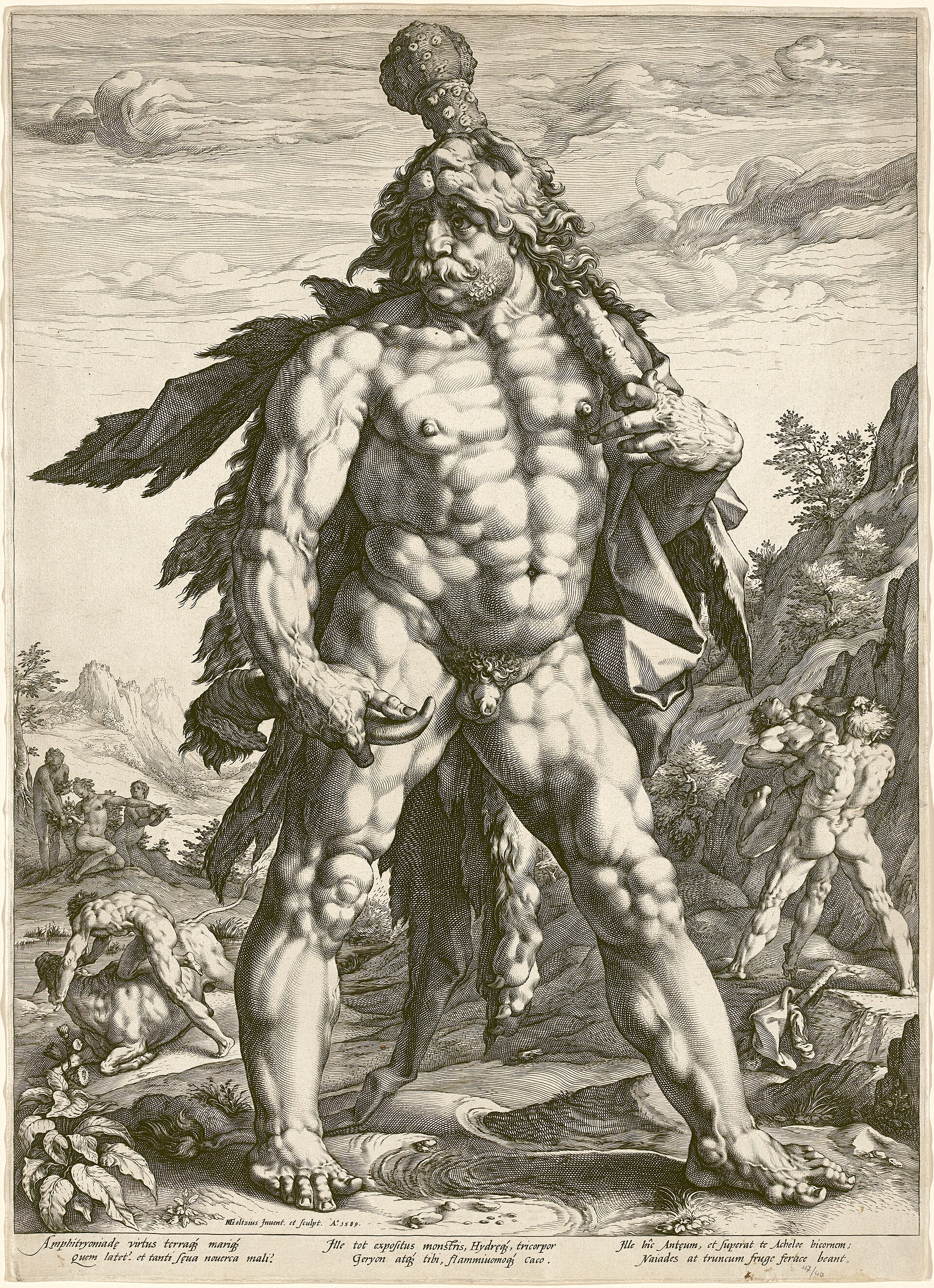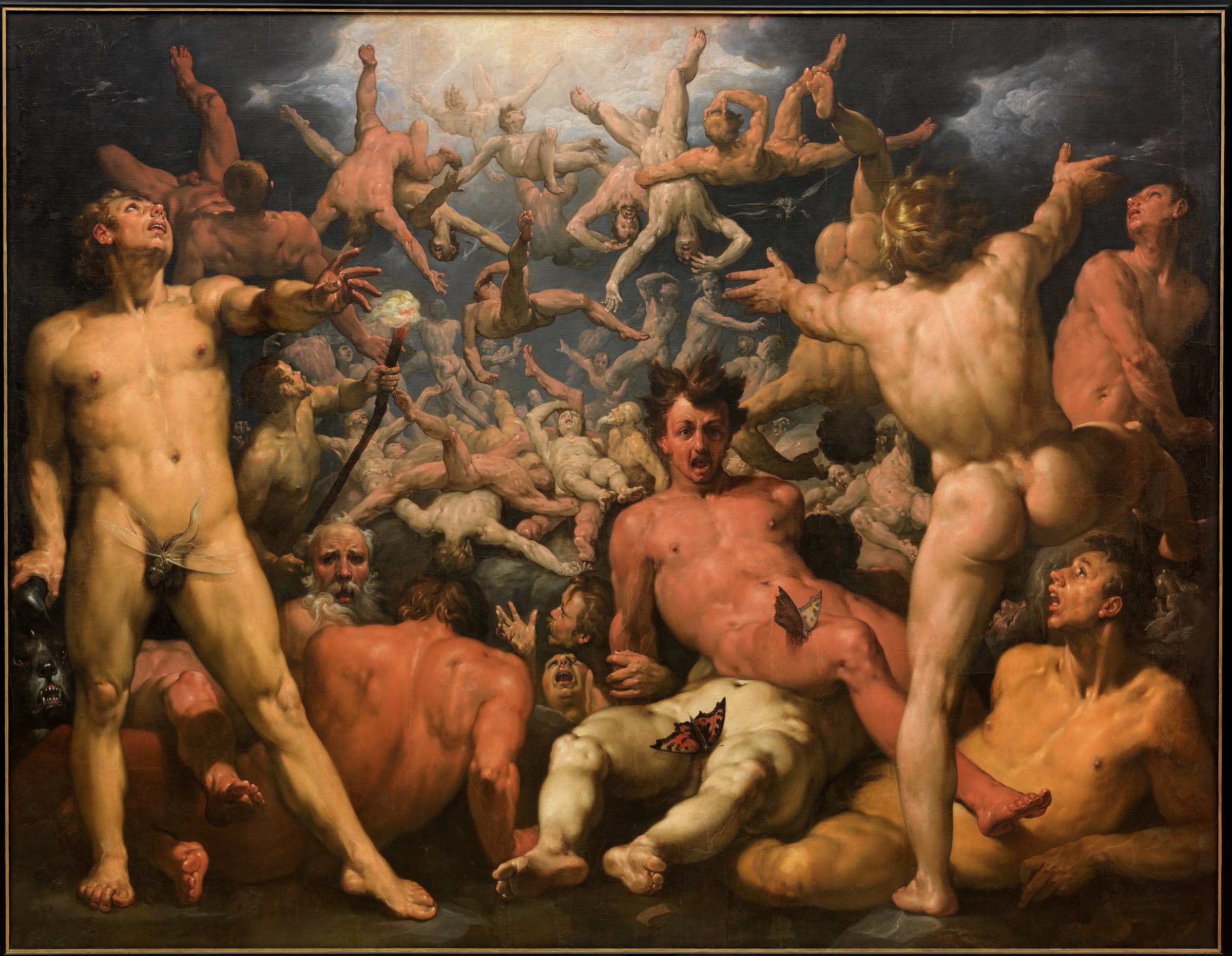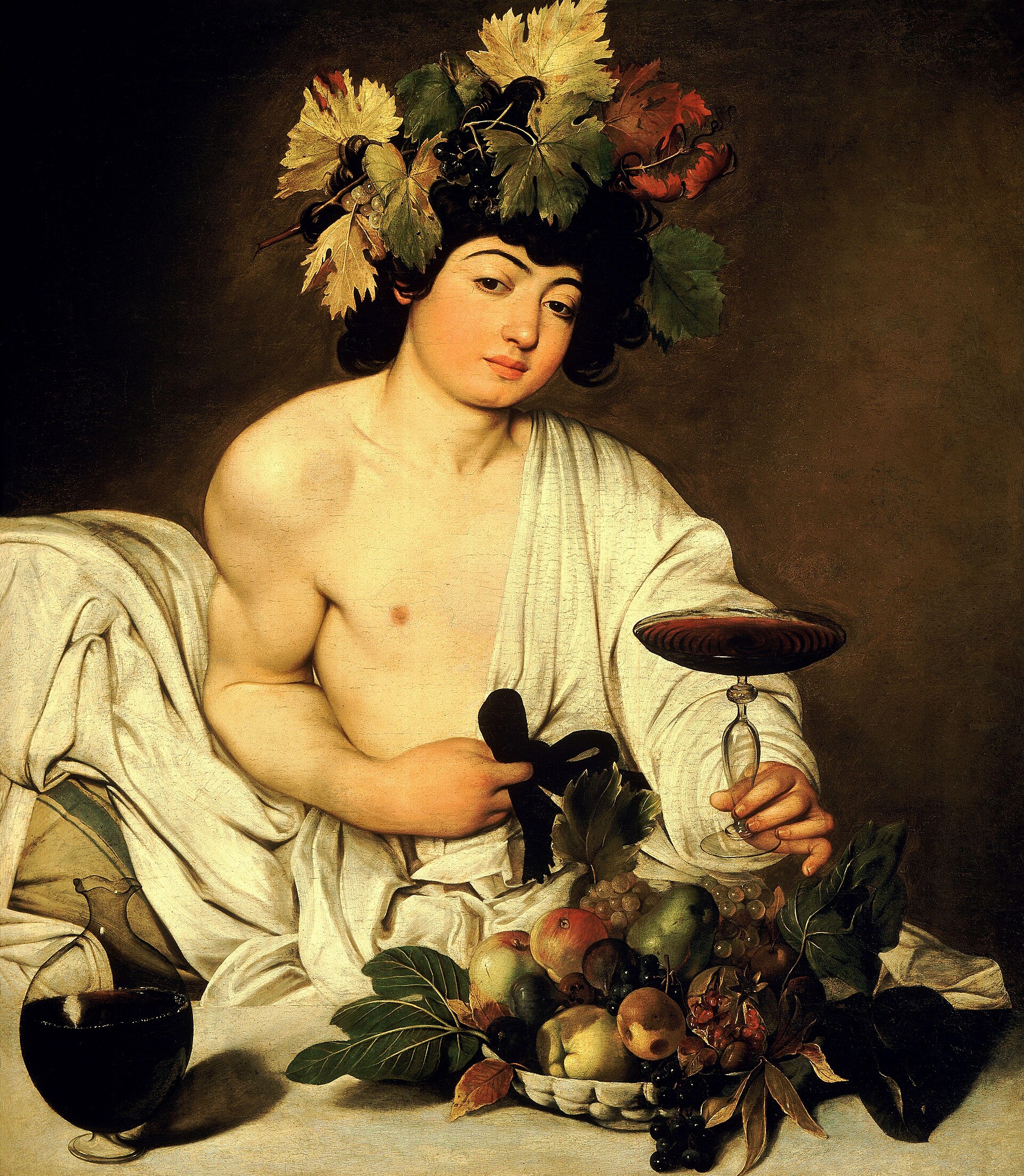
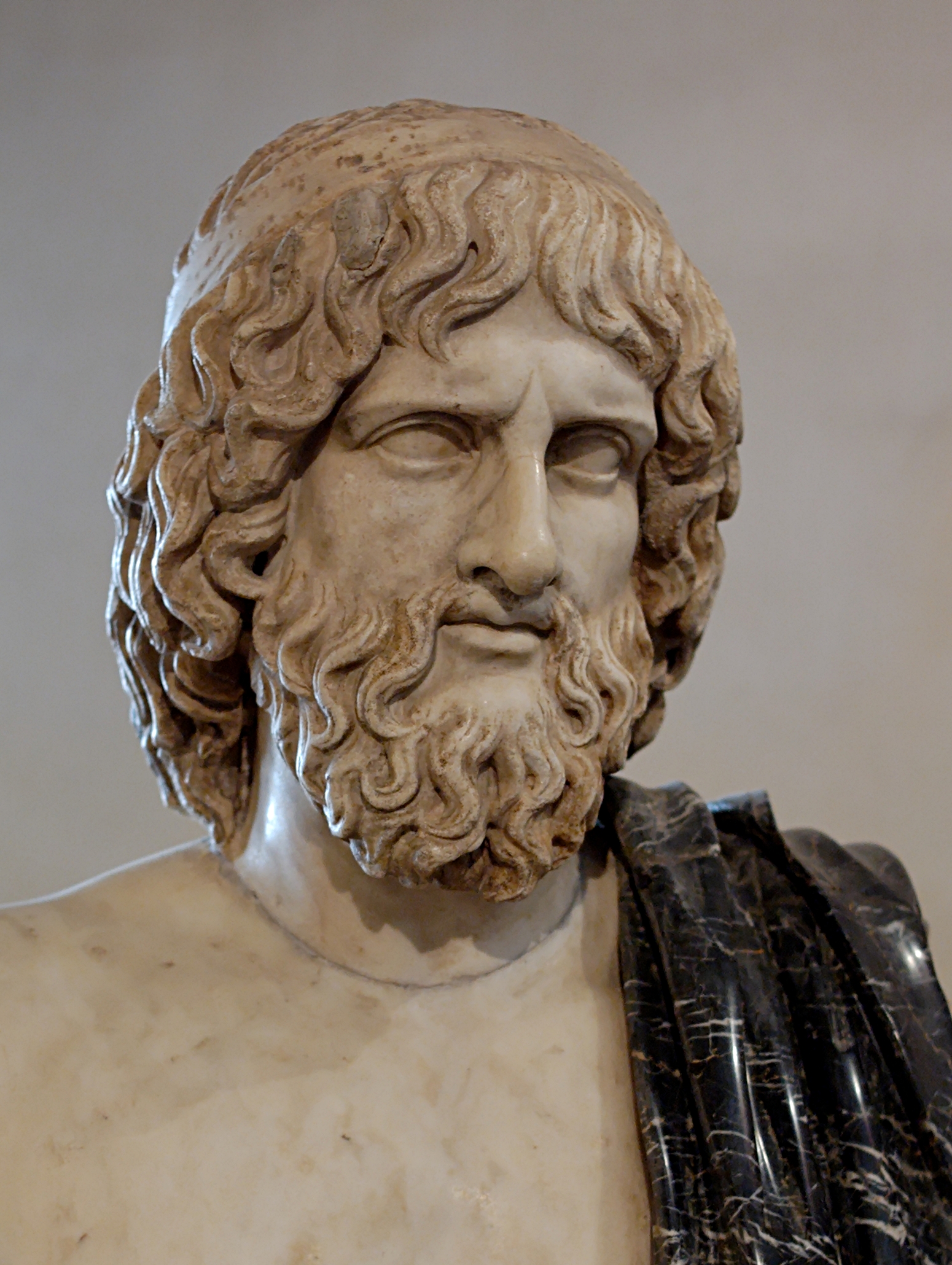
Three brothers shook lots, and one of them drew the dark.
The Titans had fallen, chained in Tartaros, and the world stood open to be governed. So the sons of Kronos divided it, not by war and not by seniority, but by chance. In the fifteenth book of the Iliad it is Poseidon himself who tells the story: all was parted three ways, he says, and each of us was given his portion.
He drew the grey sea to live in for ever, Zeus the wide sky among the clouds, and their brother the murk and the darkness, while earth and high Olympos were left common to all three. Homer’s word for the loser’s share is an accountant’s term, not a curse: the third part, the lot that fell to him when the lots were shaken. The lord of the dead did not seize his kingdom or earn it as punishment. He drew the short straw and lived with it.
Not the devil
That is the first thing the modern imagination has forgotten. He is not the devil, and the underworld is not hell. No ancient text makes him a figure of evil, tempting mortals to sin or gloating over the damned. He is stern and implacable, most hateful to mortals,
Homer says, because he gives no ground and his heart does not bend. But hatefulness is not wickedness. He is the one god who cannot be bargained with, the way death cannot be bargained with.
The cap that hides its wearer
He came to that lot the hard way, like all the children of Kronos. Hesiod names him among the six that Kronos swallowed at birth, strong Haides, pitiless in heart, who dwells under the earth,
out of fear that a child of his would one day unseat him. When Zeus grew and forced his father to disgorge them, Hades came back up into the light, and in the war that followed he received his signature possession.
The Kyklopes forged a thunderbolt for Zeus and a trident for Poseidon; for Hades they made the kynee, the cap that renders its wearer invisible. ApollodorusThe unidentified compiler of the Library, a systematic prose summary of the myths written too late to be the work of the Athenian scholar whose name it carries, and so commonly cited as Pseudo-Apollodorus. tells the tale of the forging; in Homer the cap simply exists, and it is Athena who dons the helm of Hades
to move unseen past raging Ares. The detail is almost too neat: the lord of the dead owns the power to be unseen, and his very name, most Greeks believed, meant exactly that, A-ïdēs, the Unseen One.
The god you do not name
Once down in his own kingdom he stayed there, and the sources are precise about how total that withdrawal was. He does not sit on Olympos, and does not know what happens above; only oaths sworn into the earth and curses struck into the ground reach him, which is why a mortal calling on the lord below beat the soil with his hands rather than lifting them to the sky.
His sacrifices ran the same way, downward and away: black victims, cut with the face turned aside. Even the poets who name him prefer not to, calling him Aidoneus, or Polysemantor, Ruler of Many, the title the Homeric Hymn to Demeter gives him as it repeats, almost as reassurance, that he holds that third share which he received when division was made at the first.
The rich one
Here the portrait doubles. The same god the Greeks would not name to his face they addressed constantly under another, and it was not a fearful one: Plouton, the Rich One, the Giver of Wealth. Not a separate deity but the same god of the dead, saluted by a lucky name because the true one was dreaded. The grain that feeds a city and the gold and silver that make it rich both rise from beneath the soil, from the realm of the god who governs what lies under the earth.
Plato lays the reasoning out in the Cratylus: people call him Plouton because wealth comes up from below out of the earth.
Death and riches share one soil. Aidoneus enthroned in the murk with his bird-tipped sceptre, and Plouton pouring grain from a horn of plenty, are the same figure seen from two ends. Terror and bounty in one god.
Warden, not judge
His court below has a shape. He is the jailer of the dead, keeping the gates shut so that no shade slips back to the light; one of his oldest epithets, Pylartes, means precisely that, the Gate-Fastener. Cerberus, the guard-hound, sits at those gates, and beside Hades sits his queen. Yet he does not personally judge the souls that come to him. In Plato’s Gorgias the judging falls to three sons of Zeus, Minos and Rhadamanthys and Aiakos, while Plouton only brings the complaint that under the old system the living were being sentenced wrongly.
The lord of the dead is a warden, not a magistrate: he holds the keys, and other hands hold the scales. Nor was he untouchable. In the Iliad Herakles shoots him at Pylos, among the dead men,
leaving the wounded god to go up to Olympos in pain to be healed by Paieon. A deity who can be shot with an arrow and needs a doctor is no abstraction of evil, but a member of a divine family who happens to have drawn the worst room in the house.
Why the dead do not leave
The most generous reading of him is Plato’s, and it upends everything the fear of his name would lead you to expect. People assume the souls of the underworld are held by force, straining to escape. But that is backwards. There would be a flood of fugitives from Hades if he kept his subjects by compulsion; instead he keeps them by the strongest bond there is, which is desire.
Whatever he offers the dead, they do not want to leave. On this account Hades is not a jailer at all but a perfect sophist and a great benefactor
of those in his realm, and it is for the blessings he bestows that men rightly call him Pluto. It is philosophy, not folk belief; no funeral rite treated the grave as a place one longed to reach. But it is a striking correction to the idea that the god of the dead is the god of horror.
Put the names back together and the figure resolves. Not a lord of evil but a lord of the third portion, who governs the dead because the lot fell to him and gives up out of his dark ground the grain and gold on which the living build: the one you cannot see, cannot escape, and, if Plato is right, might not in the end wish to.
They are afraid of the name Hades, so they call him Pluto instead: the giver of wealth, because wealth comes up from below out of the earth. Death and riches share one soil.
- Hesiod, Theogony 453–506; 850Hades among the children of Kronos and Rhea,
strong Haides, pitiless in heart, who dwells under the earth
(453 ff.); the swallowing by Kronos and the disgorging forced by Zeus (459–500); and, at 850, Hades trembling below during the battle with Typhoeus. The oldest Greek account of his birth and place in the divine family. (c. 700 BCE.) - Hesiod, Works and Days ~435the earth-yield context behind the wealth-giving Plouton aspect. Cited here via later scholarship and not independently confirmed against a critical edition; treated as reported, with Prometheus Bound as the safer primary anchor for the wealth theme. (c. 700 BCE.)
- Homer, Iliadthe drawing of lots and Hades allotted
the mists and the darkness
while earth and Olympos stay common (15.187–193, the key statement of the lot-division); Hades wounded by Herakles at Pylos and healed by Paieon (5.382–404); the invisibility-helmet, thehelm of Hades,
worn by Athena to go unseen (5.844–845); Pylartes the Gate-Fastener (8.367; 13.415); and Hadesmost hateful to mortals,
pitiless and unyielding (9.158–159). (c. 8th c. BCE.) - Homer, Odyssey 10.491 ff., 527 ff.Hades and Persephone jointly ruling the dead, and the rite of the black sheep sacrificed with the sacrificer’s face turned away. (c. 8th c. BCE.)
- Homeric Hymn 2 (to Demeter) 84–87Hades as Aidoneus,
Polysemantor,
Ruler of Many, lord ofthe third share which he received when division was made at the first.
The clearest statement that his rule is an allotment, not a conquest. (7th–4th c. BCE.) - Plato, Cratylus 402e–403ethe naming. Ploutōn glossed as the giver of wealth
because wealth comes up from below out of the earth,
and Hades as the Invisible (a-eidēs), a name spoken from fear; the bond of desire by which he holds soulsnot by compulsion
; and Hades as aperfect sophist and a great benefactor.
The core source for the names and the benign philosophical portrait. (4th c. BCE.) - Plato, Gorgias 523a–524aPlouton and the appointment of the judges of the dead, Minos, Rhadamanthys and Aiakos, establishing that Hades rules the dead but does not himself judge them. (4th c. BCE.)
- Pindar, Olympian 9.31–35the bird-tipped sceptred staff with which Hades drives mortal bodies down the buried road to the dead, and his presence at Pylos. (5th c. BCE.)
- Aeschylus, Prometheus Bound ~805–806the wealth-giving aspect of the god, the primary-source anchor for Plouton as giver of earth’s riches. (5th c. BCE.)
- Apollodorus (Pseudo-Apollodorus), Bibliotheca 1.1.5–1.2.1the later mythographic handbook systematising the birth, the swallowing and disgorging, the Titanomachy, the Kyklopes’ gift of the invisibility-helmet, and the three-way division of the cosmos. Used here for the post-Homeric aetiology of the cap, flagged as such. (~1st–2nd c. CE.)
- Diodorus Siculus, Library of History 5.68.1the parentage of Hades among the children of Kronos and Rhea. (1st c. BCE.)
- Pausanias, Description of Greece 6.25.2–3the cult of Hades in Elis, whose temple was opened only once a year, and his worship at Pylos. The rare notice of actual cult paid to the god. (2nd c. CE.)