Chinese
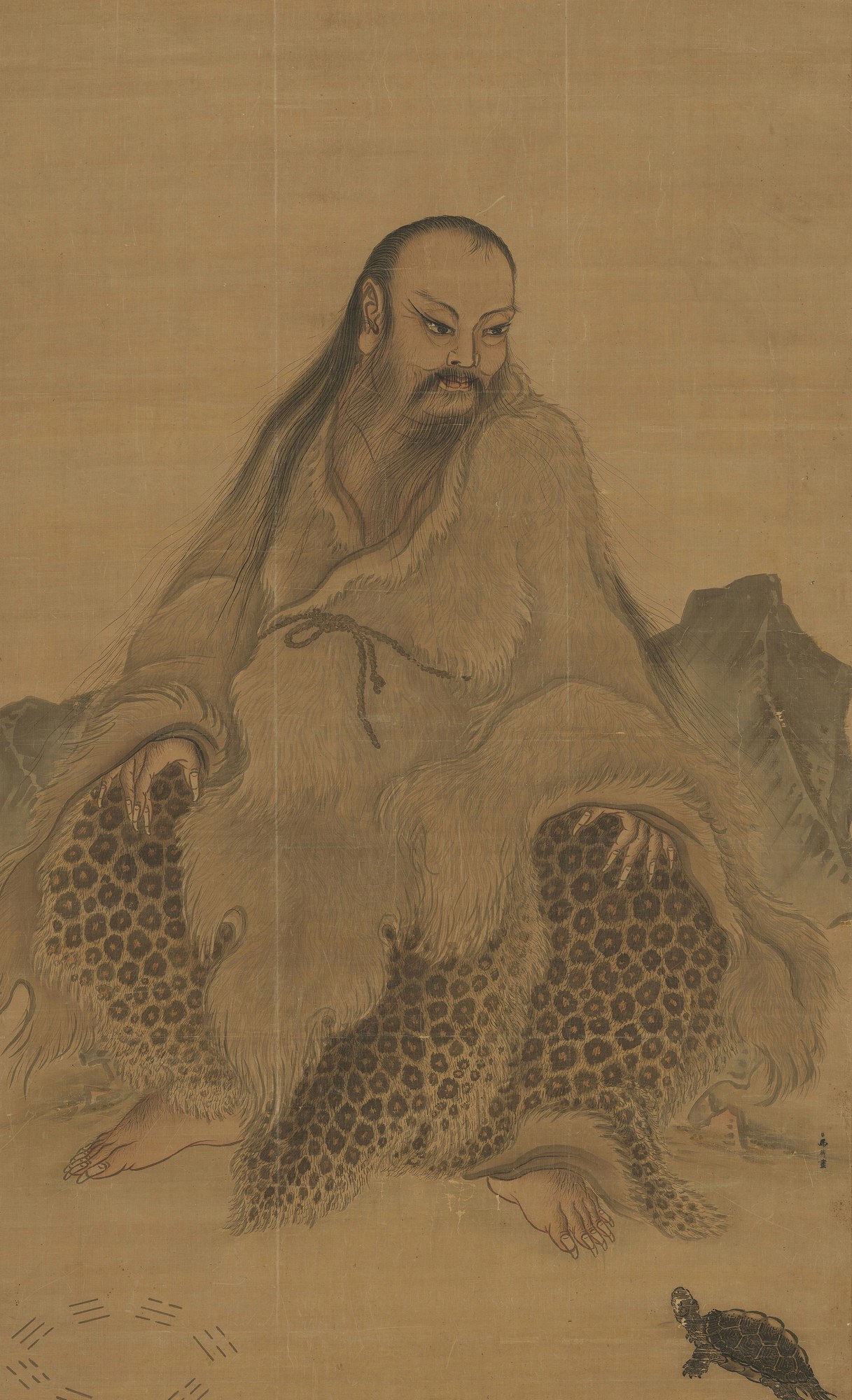
Fuxi, Inventor of the Trigrams
The first man to sit on the throne of the world reigned a hundred and eleven years, ordered his court by dragons, and drew eight three-line figures that held the whole cosmos in a ladder of doublings.
Forbidden knowledge, prophecy, craft, the price of insight.
The first man to sit on the throne of the world reigned a hundred and eleven years, ordered his court by dragons, and drew eight three-line figures that held the whole cosmos in a ladder of doublings.
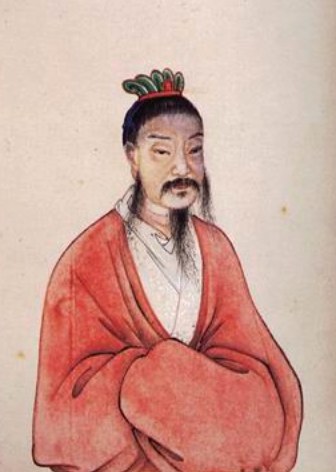
A sage-emperor hands the whole apparatus of punishment to one upright man, whose aim is to punish until no one need be punished. The beast that made him famous for smelling out the guilty is known to us only from the pen of a man calling it a fraud.
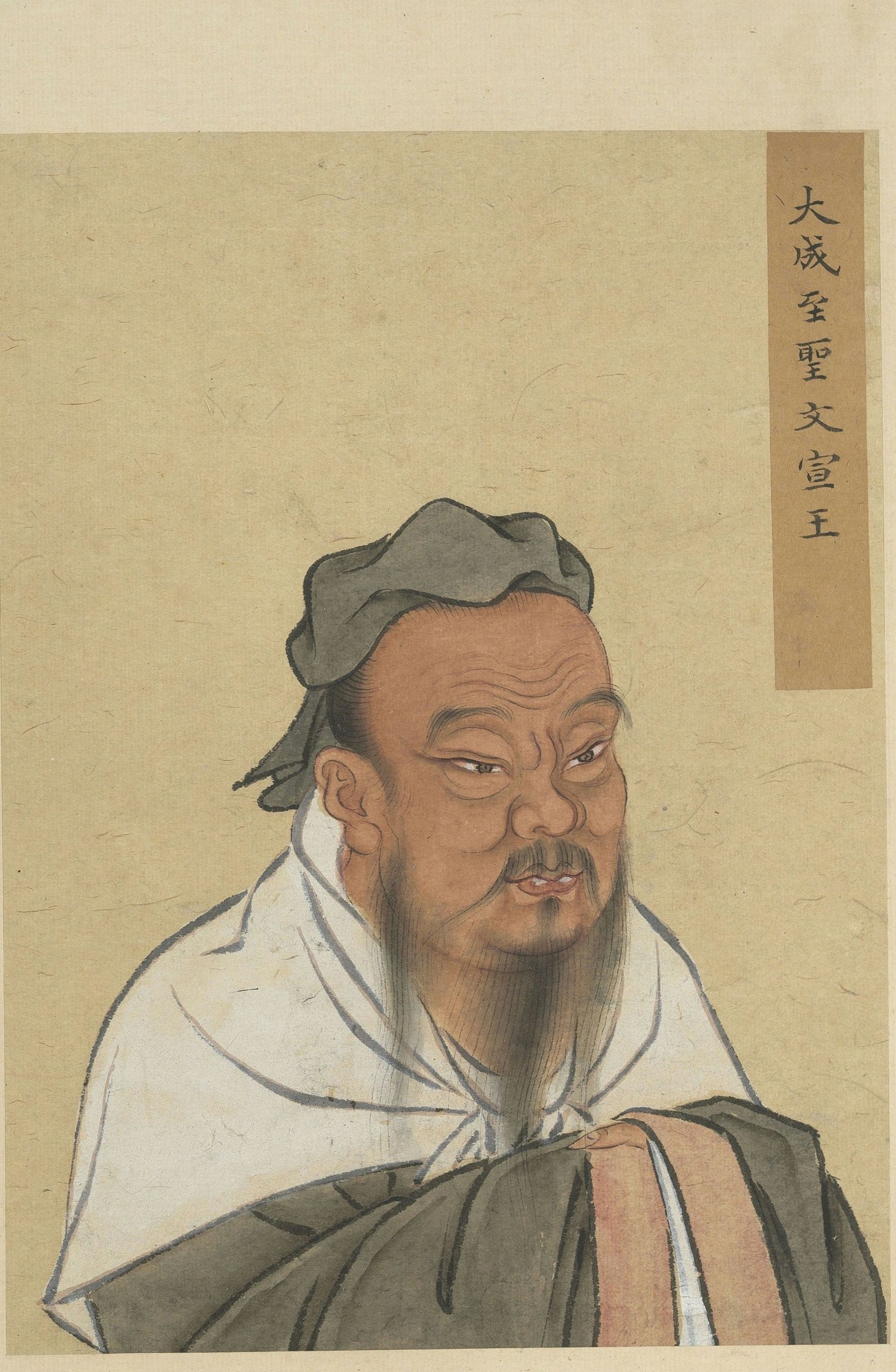
Confucius almost never called anyone humane, not even the sage-kings. Yet he swore the virtue was one act of will away: I desire it, and it is here.
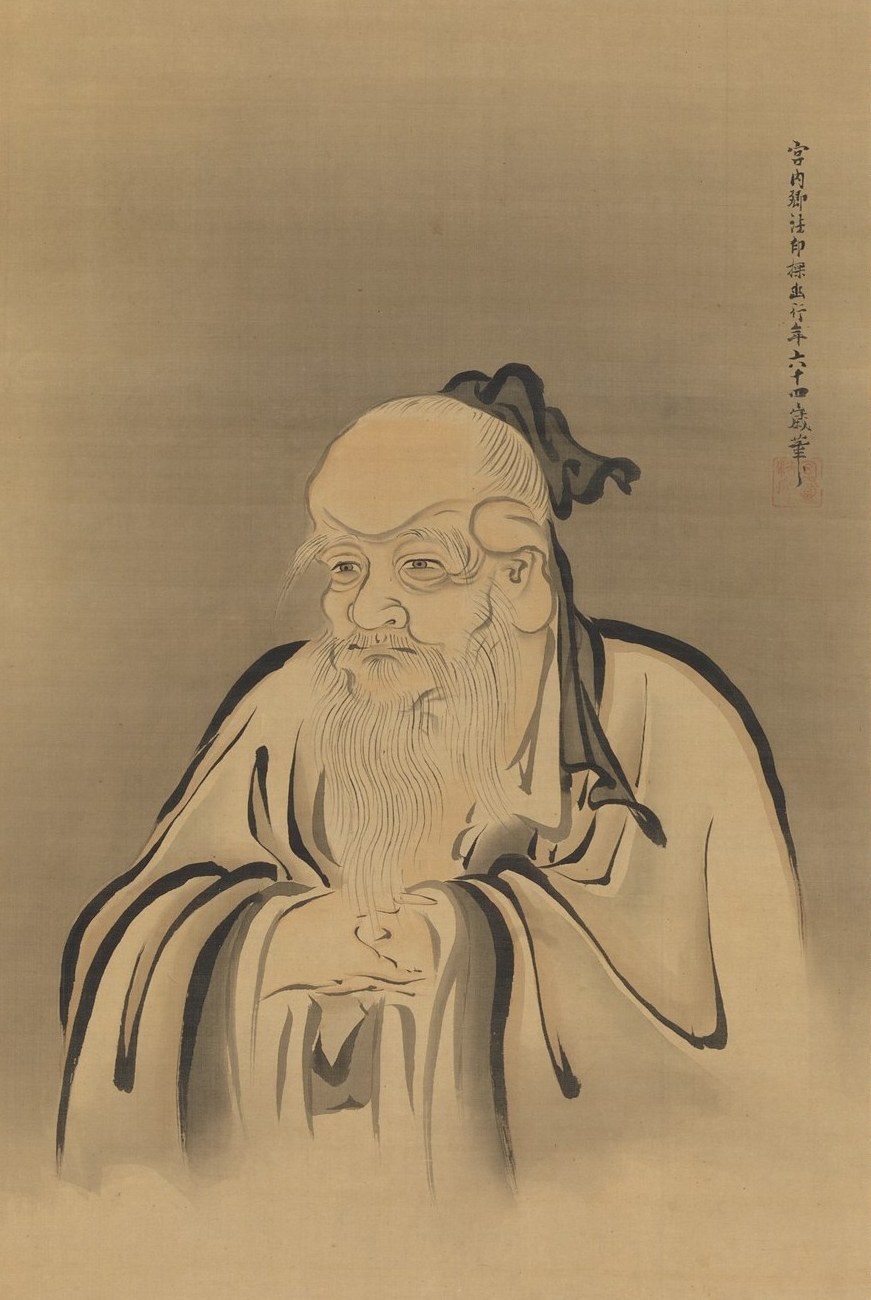
The god whose name every herbalist invokes governs a pharmacy of three hundred and sixty-five drugs ranked like a royal court, yet the tradition itself admits he could not have written a word of the book that bears his name.
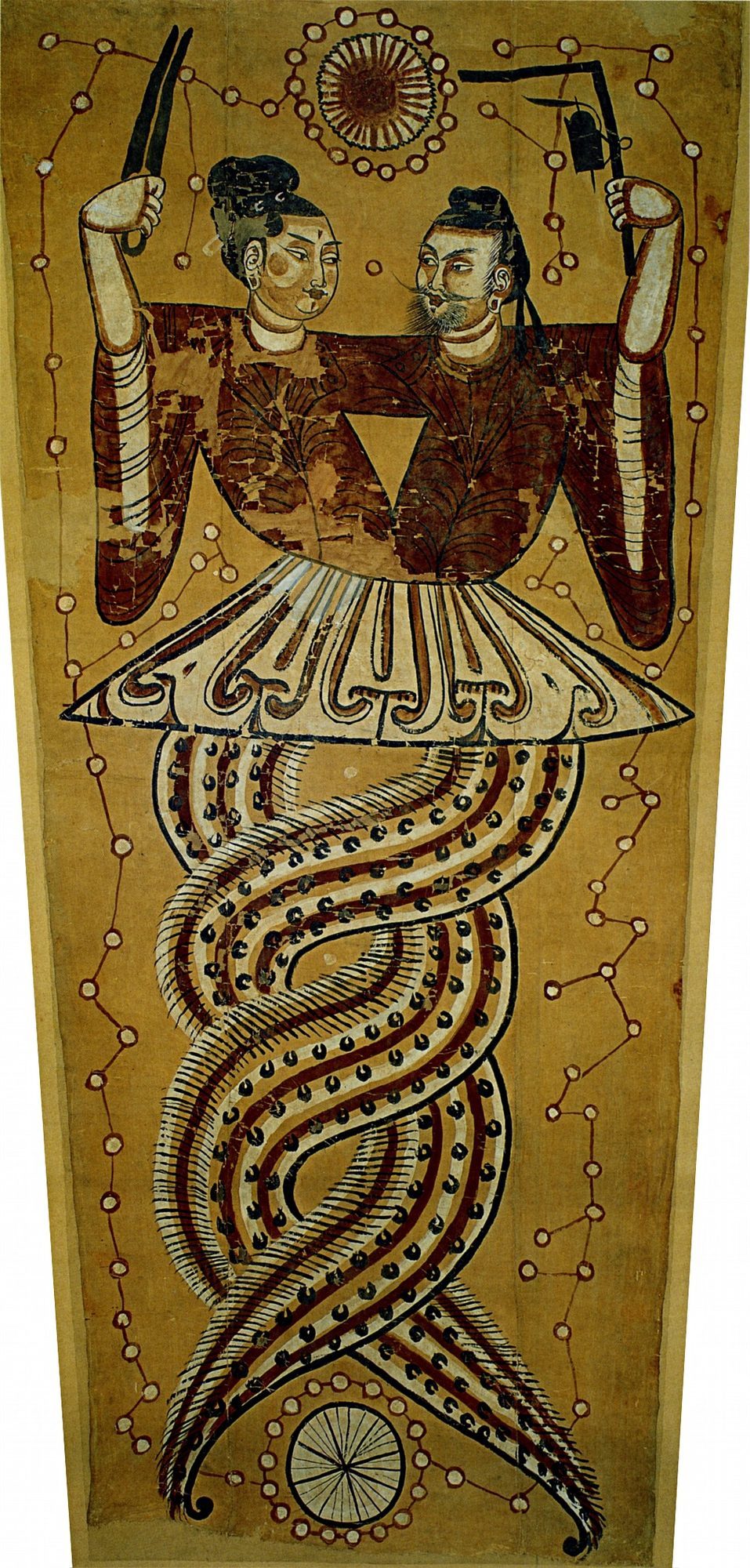
He looked up at the images in heaven and down at the patterns on earth, and out of that reading drew the eight trigrams, the fishing-net, and the first law of husband and wife.
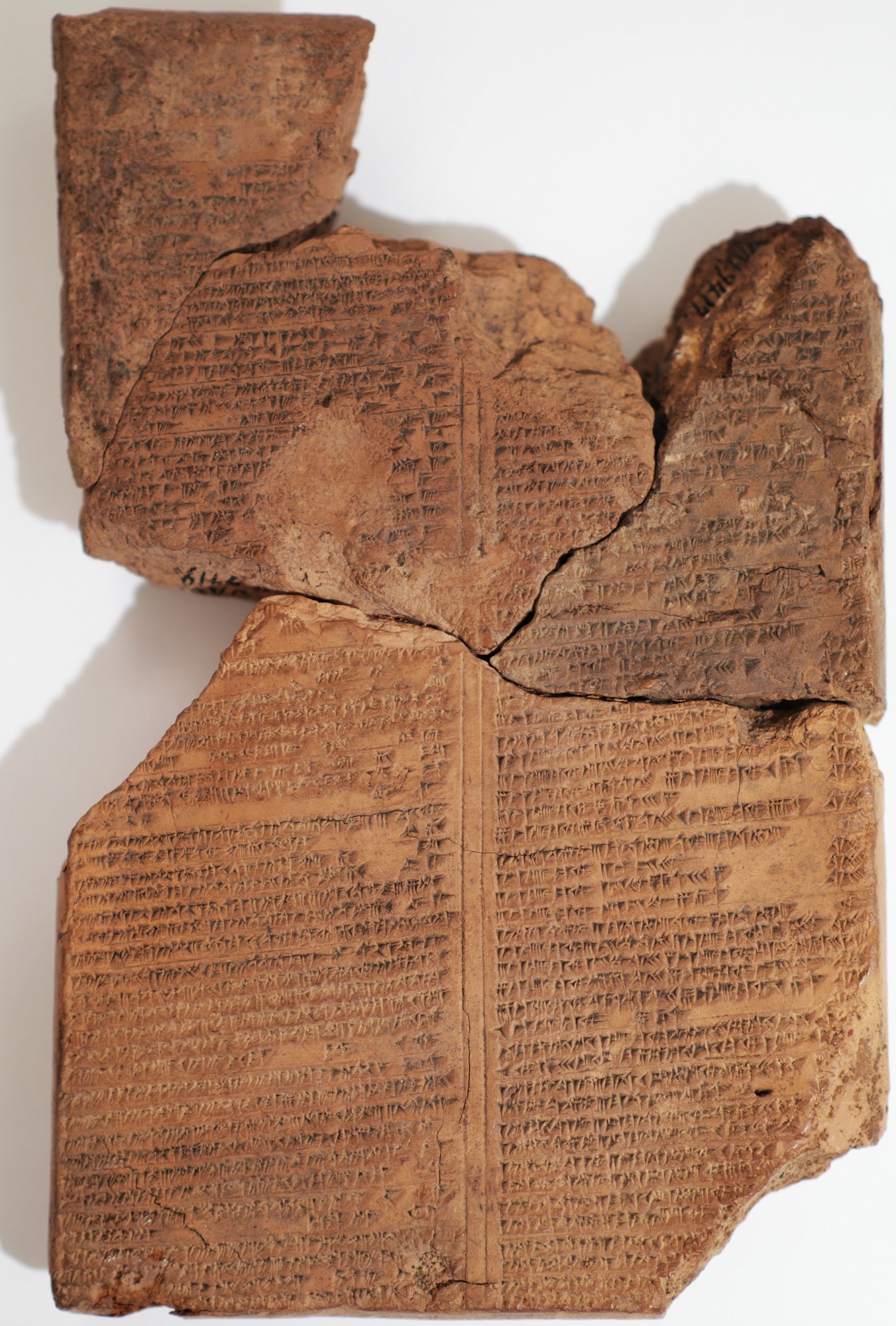
With the sea dead beneath his foot, the champion turned to a quieter labour: fixing the stations of the sky, dividing the year, and handing the moon a monthly work-order. This is the creation of measured time, spoken into being at the world's first dawn.
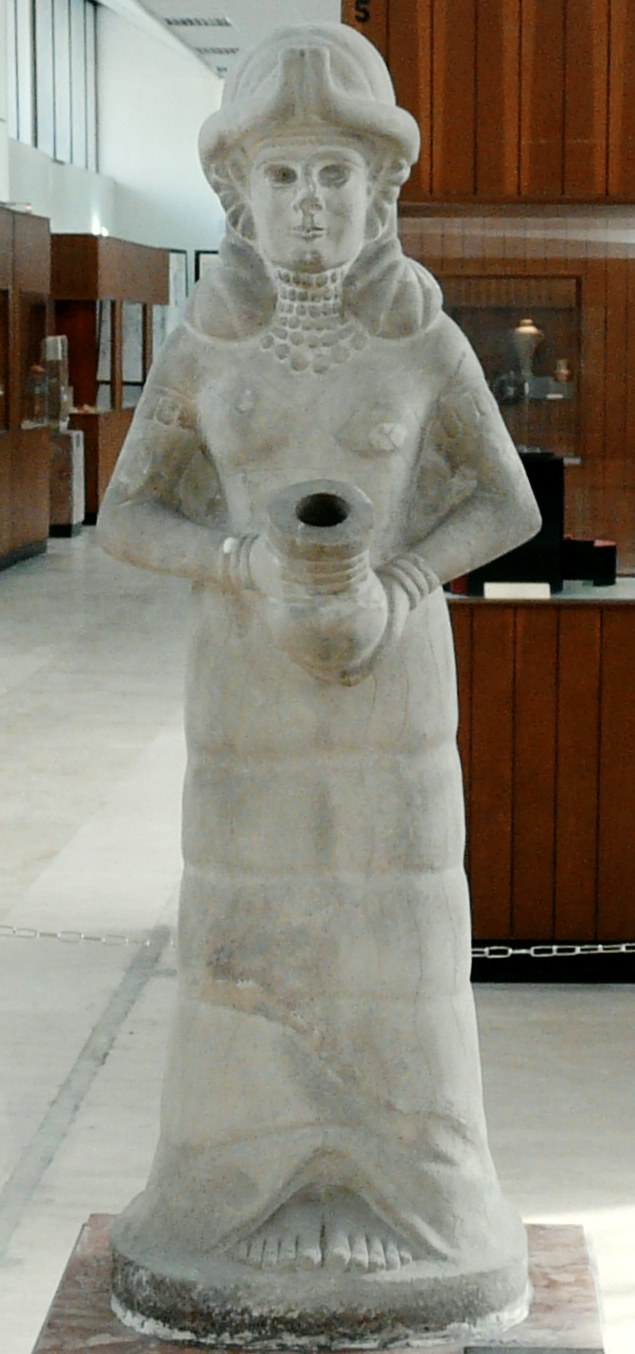
The gods are digging canals and weeping over the work when their oldest mother carries their tears down into the deep to wake her sleeping son. What she is called, and what she made, is a question two thousand years of clay cannot quite settle.
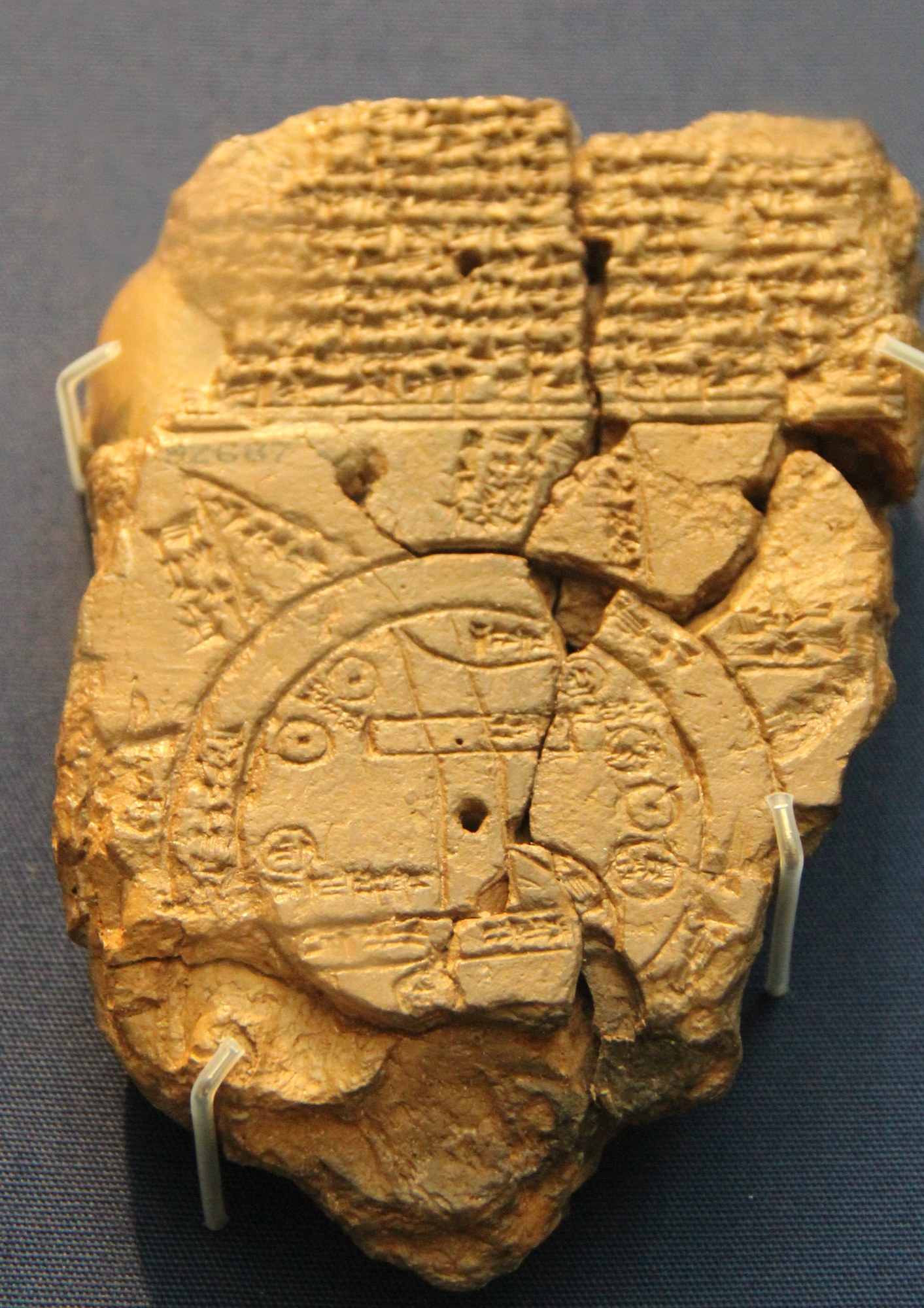
One short, forbidden tablet maps the Babylonian universe as six stone floors stacked in open air: three heavens above, three earths below, each a coloured slab laid down by a single arranging god. It is a diagram, not a story, and it argues with itself.
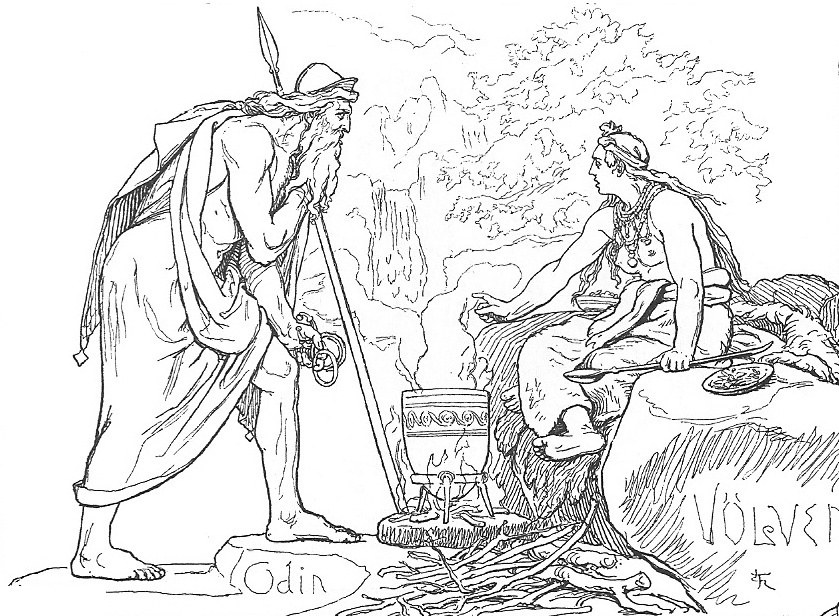
Odin raises a dead wise-woman to make her speak, and she gives him the whole arc of the world: its making, his own hidden secrets, and the fire that ends it all.
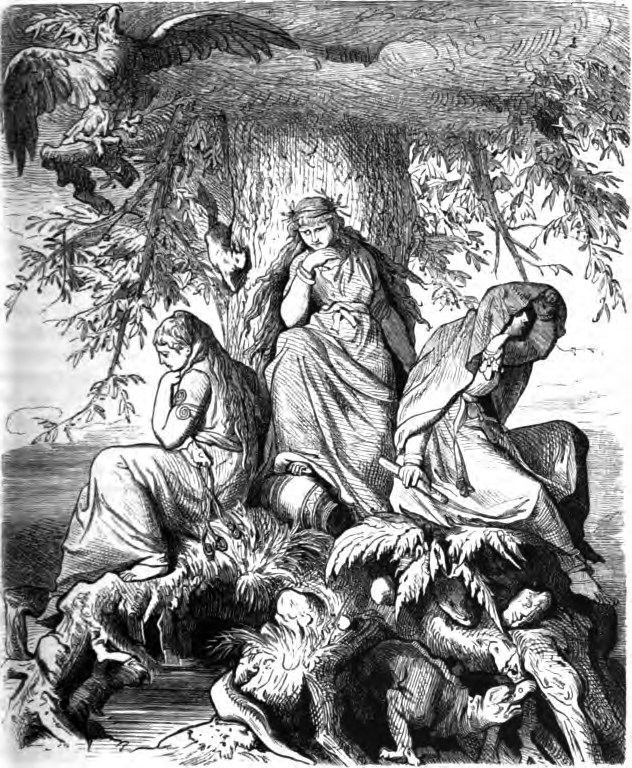
Three maidens mighty in wisdom come up from a dwelling beneath the world-ash, cut marks into wood, and lay down the lives of the sons of men.
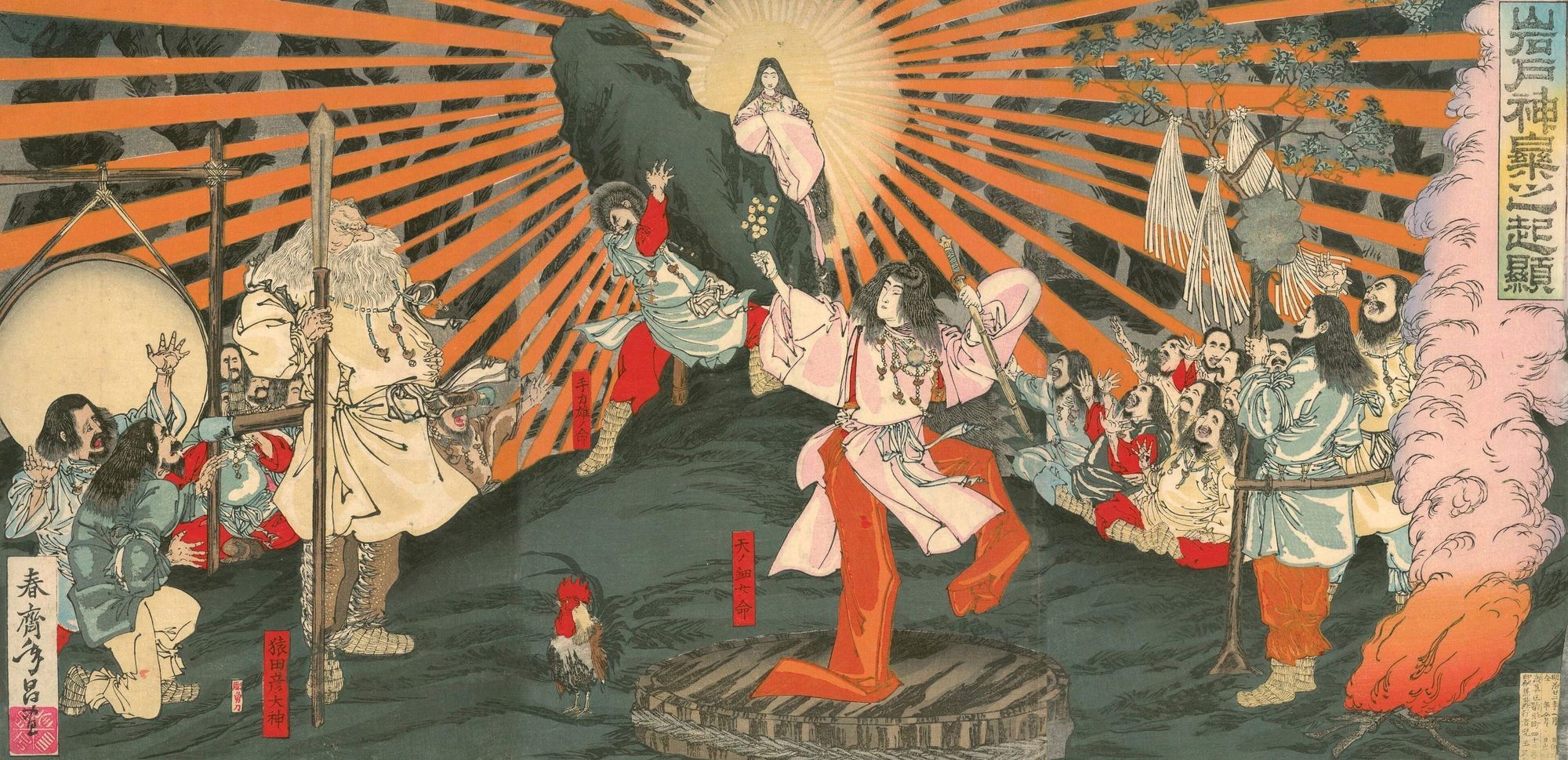
The sun-goddess bolts herself inside a stone door and the world goes black; it takes a forged mirror, a ribald dance and eight hundred myriad gods laughing in the dark to trick the light back out.
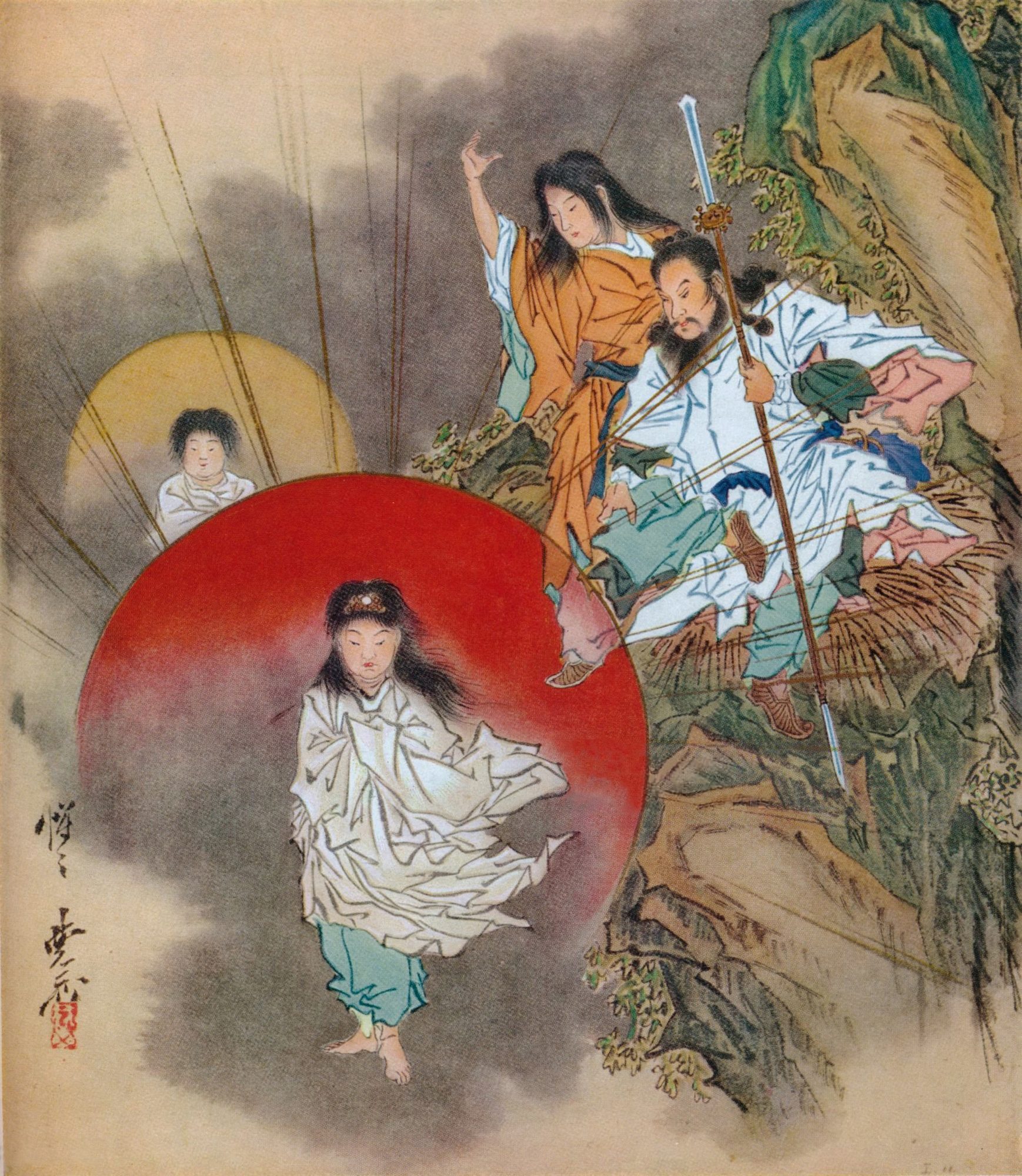
Not a mountain and not a sky-city but a plain: the celestial country of rice-fields and river-councils where the sun-goddess reigns, the cosmos opens, and the line of emperors takes its first breath.
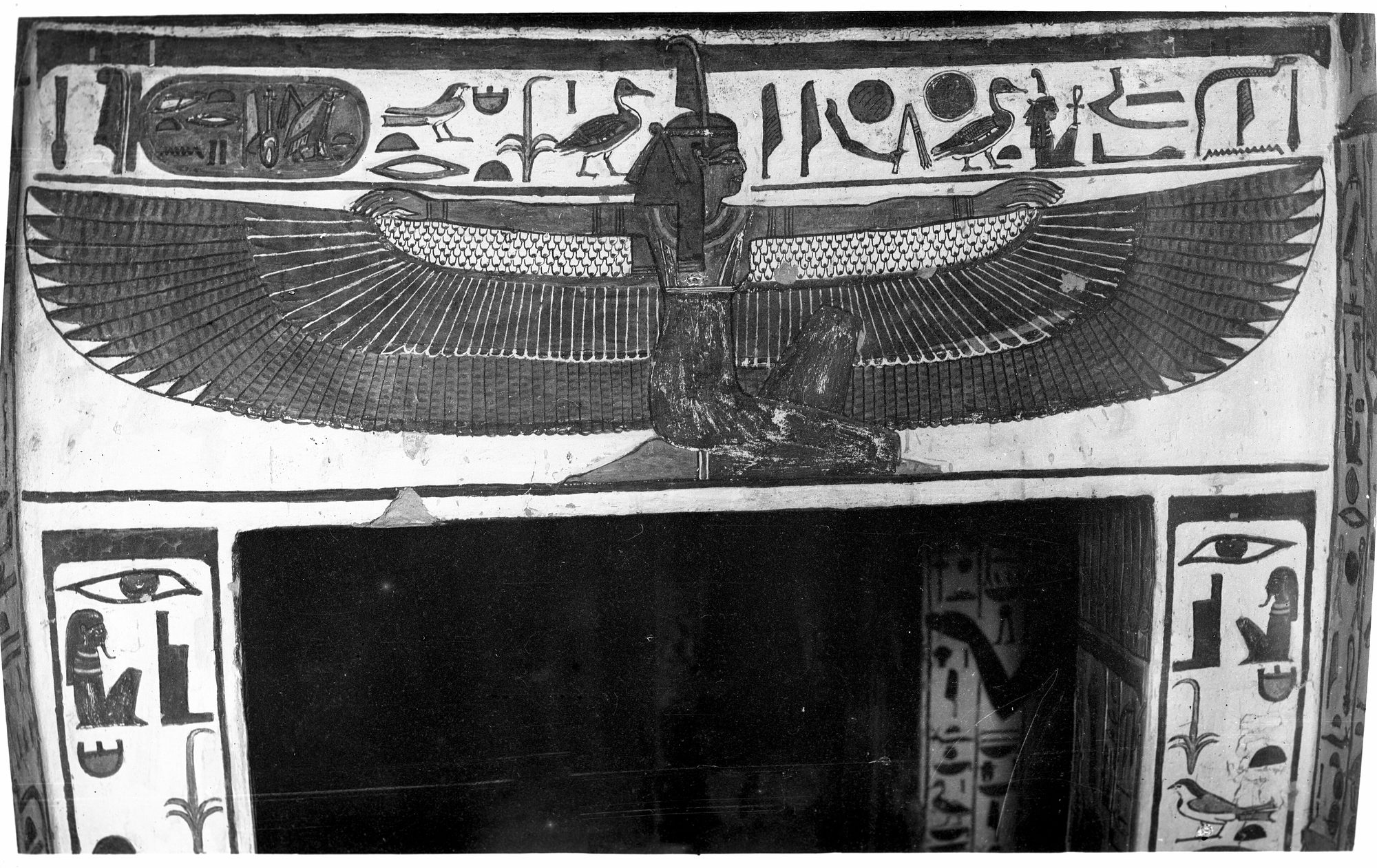
Truth, justice and the balance of the cosmos wear a single ostrich feather; against it the heart of the dead is weighed, and the gods themselves are said to live on her.
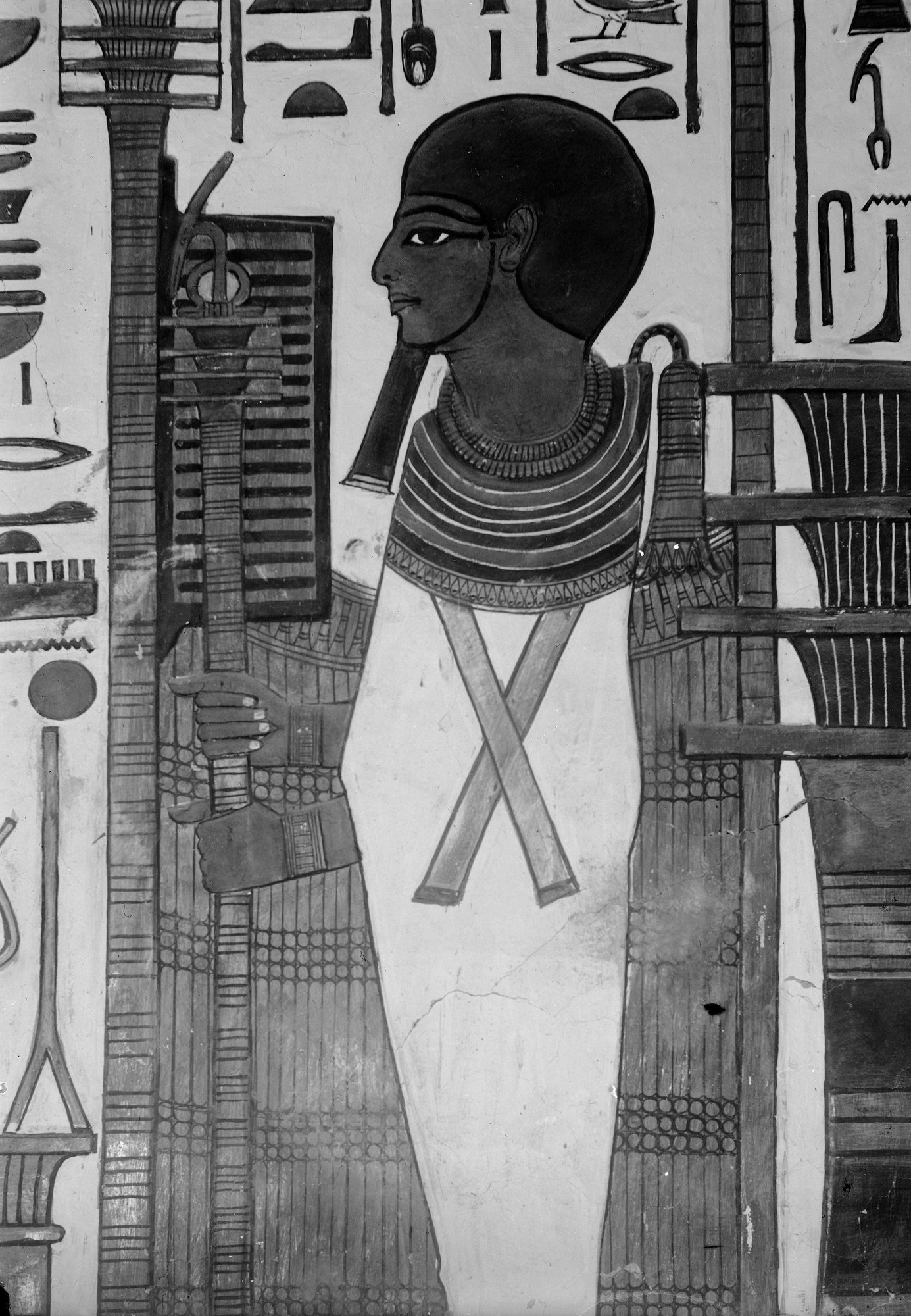
The god of Memphis made no clay and spilled no seed. He devised the cosmos in his heart and spoke it with his tongue, then built the very bodies the other gods would live inside.
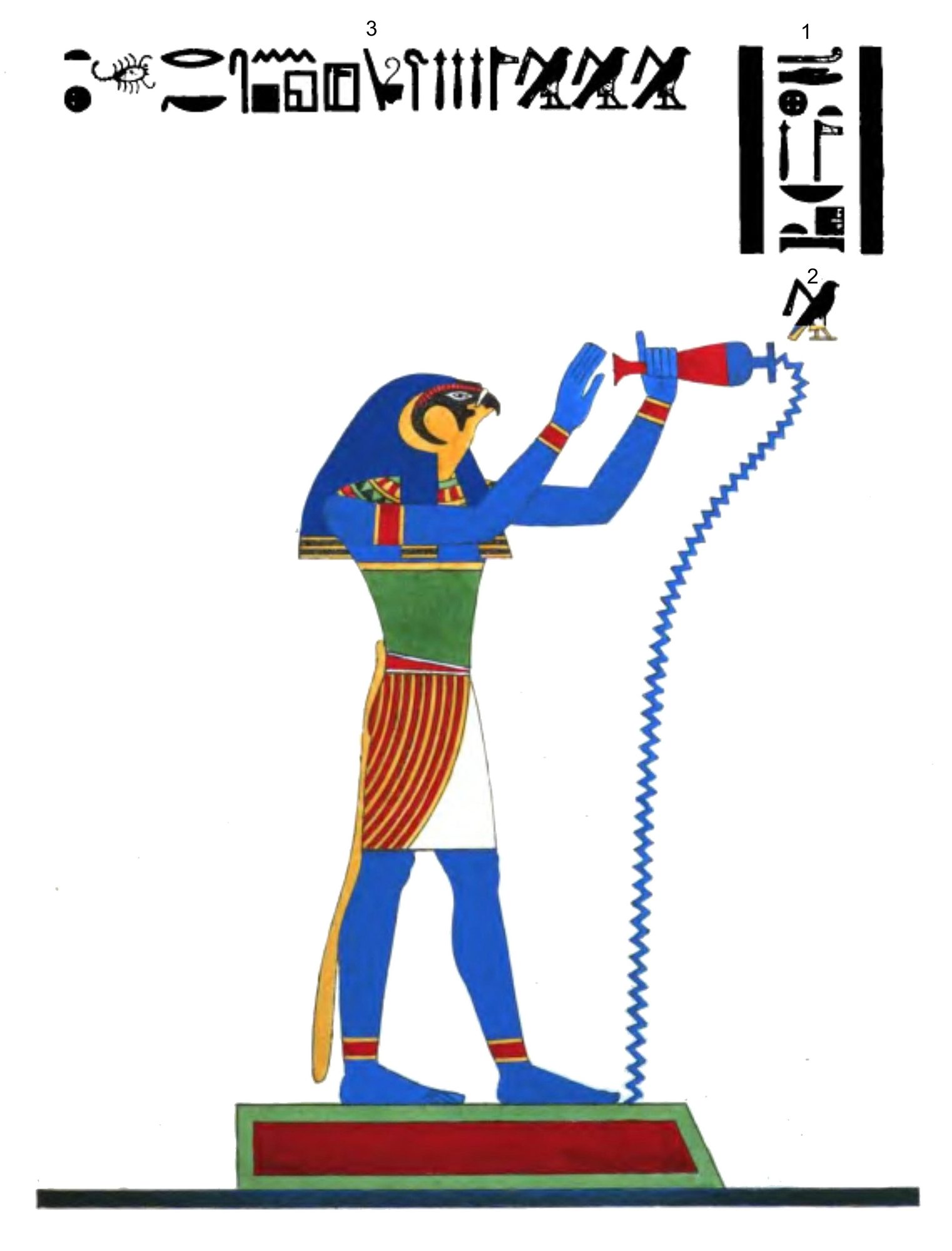
Reed-pen in one hand and palette in the other, the ibis-headed god stands at the Great Balance and writes down whether a dead soul lived true: the recorder, the proclaimer, and the very word that ordered the world.
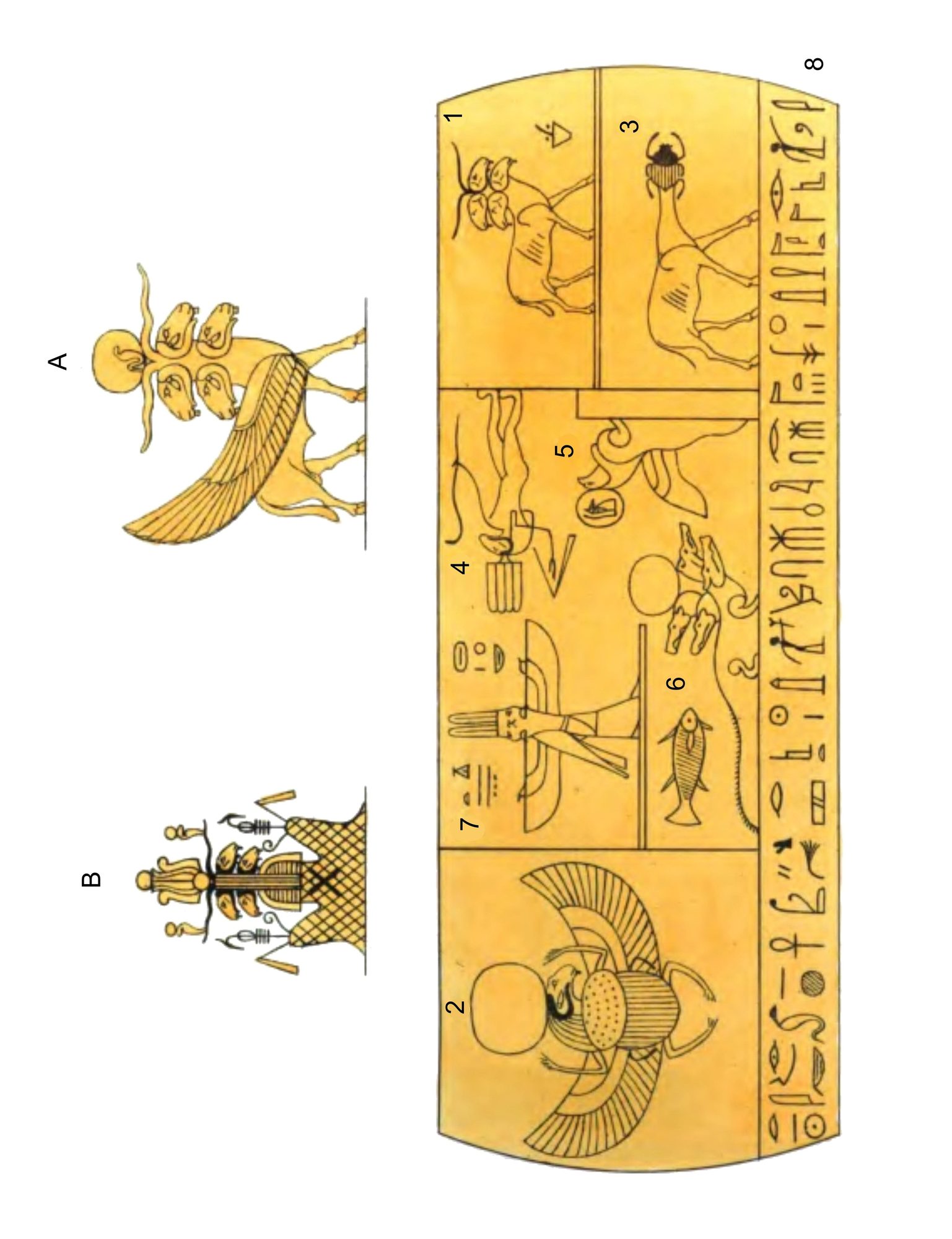
Felt like wind through feathers and never seen, the self-made creator of Thebes whose very name means concealment: how a local city-god rose to become Amun-Re, king of all the gods.
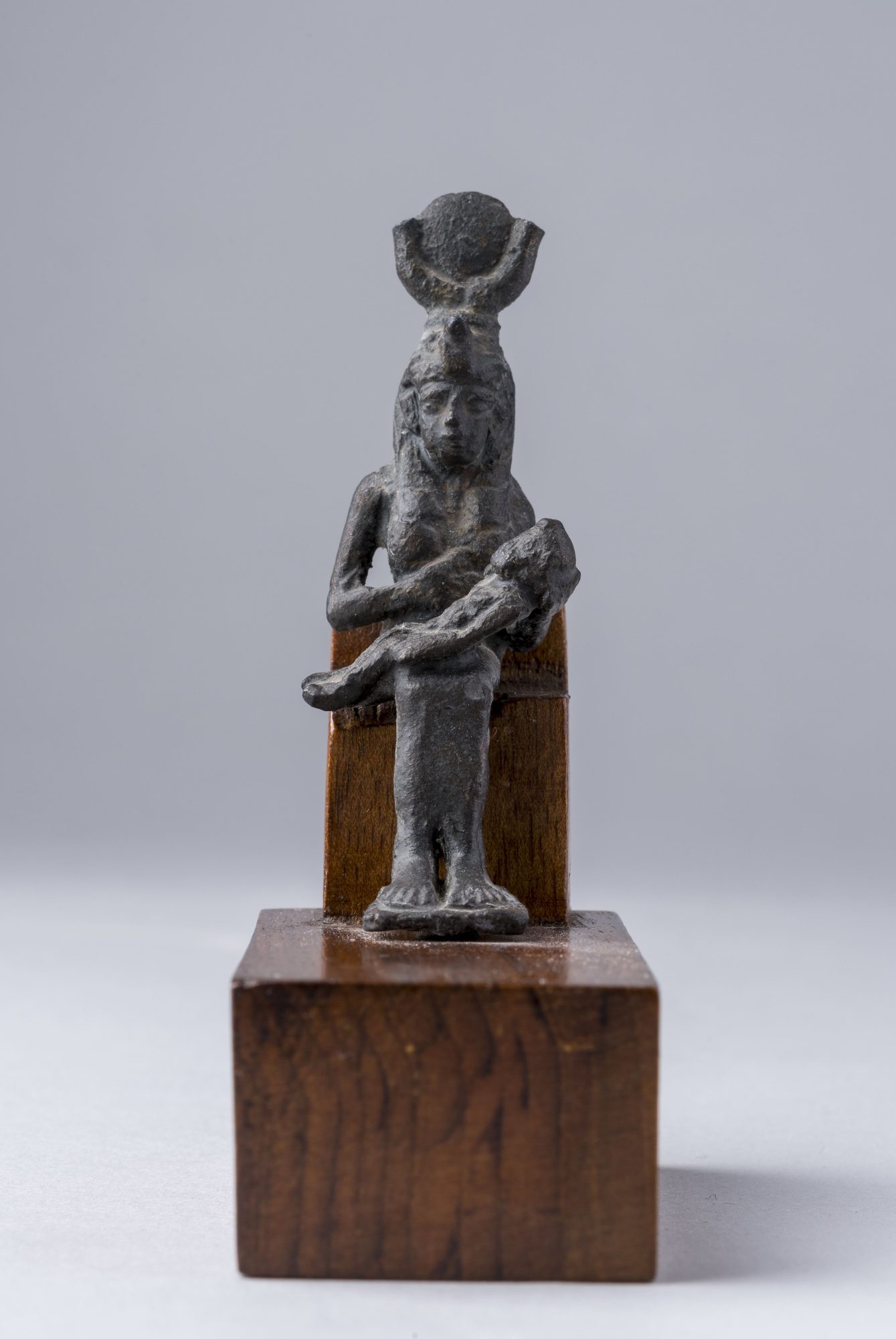
Weret-hekau, Great of Magic: the goddess who reassembled a murdered god, hid her son in a marsh, and wrung the secret name of the sun-god out of his own poisoned body.
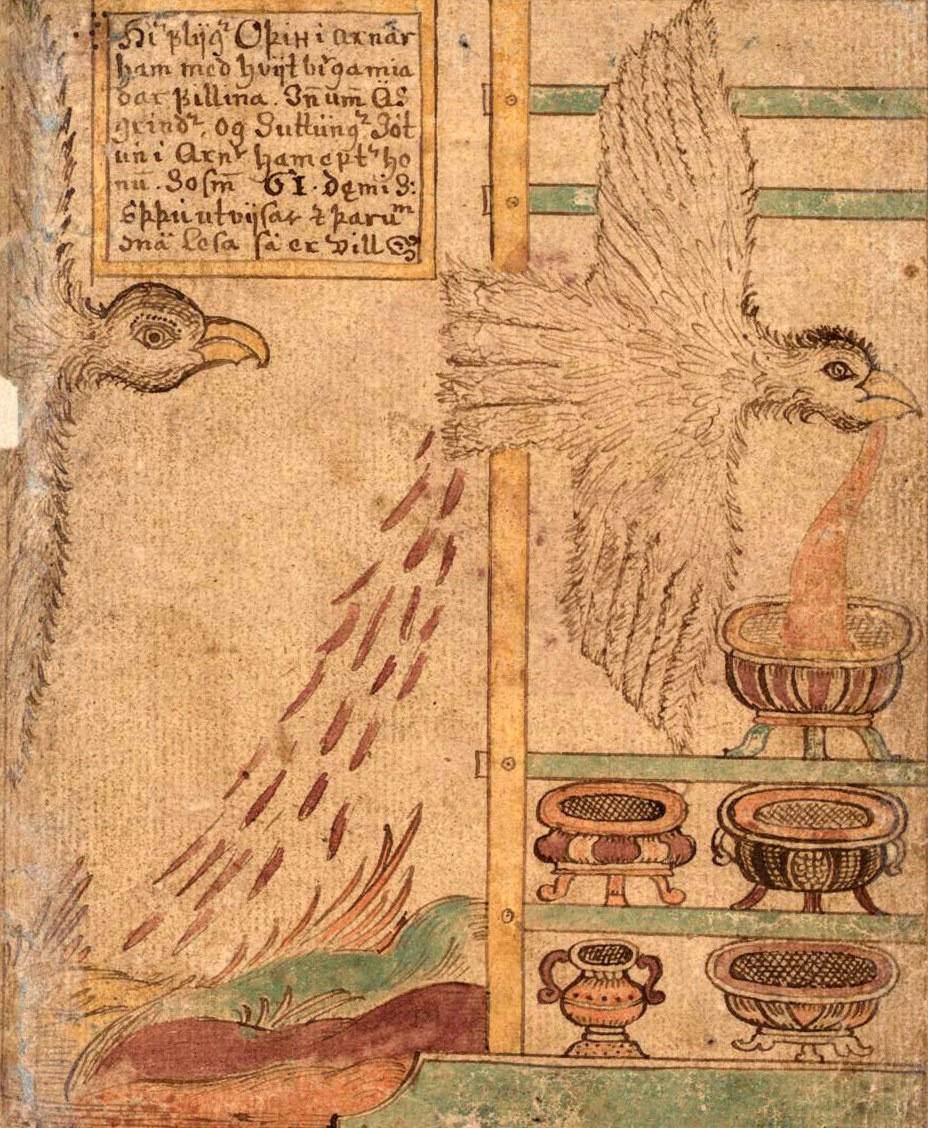
How poetry got into the world: a murdered sage, a mead brewed from his blood, and the god who slept three nights with a giant's daughter to steal it, then left her to grief.
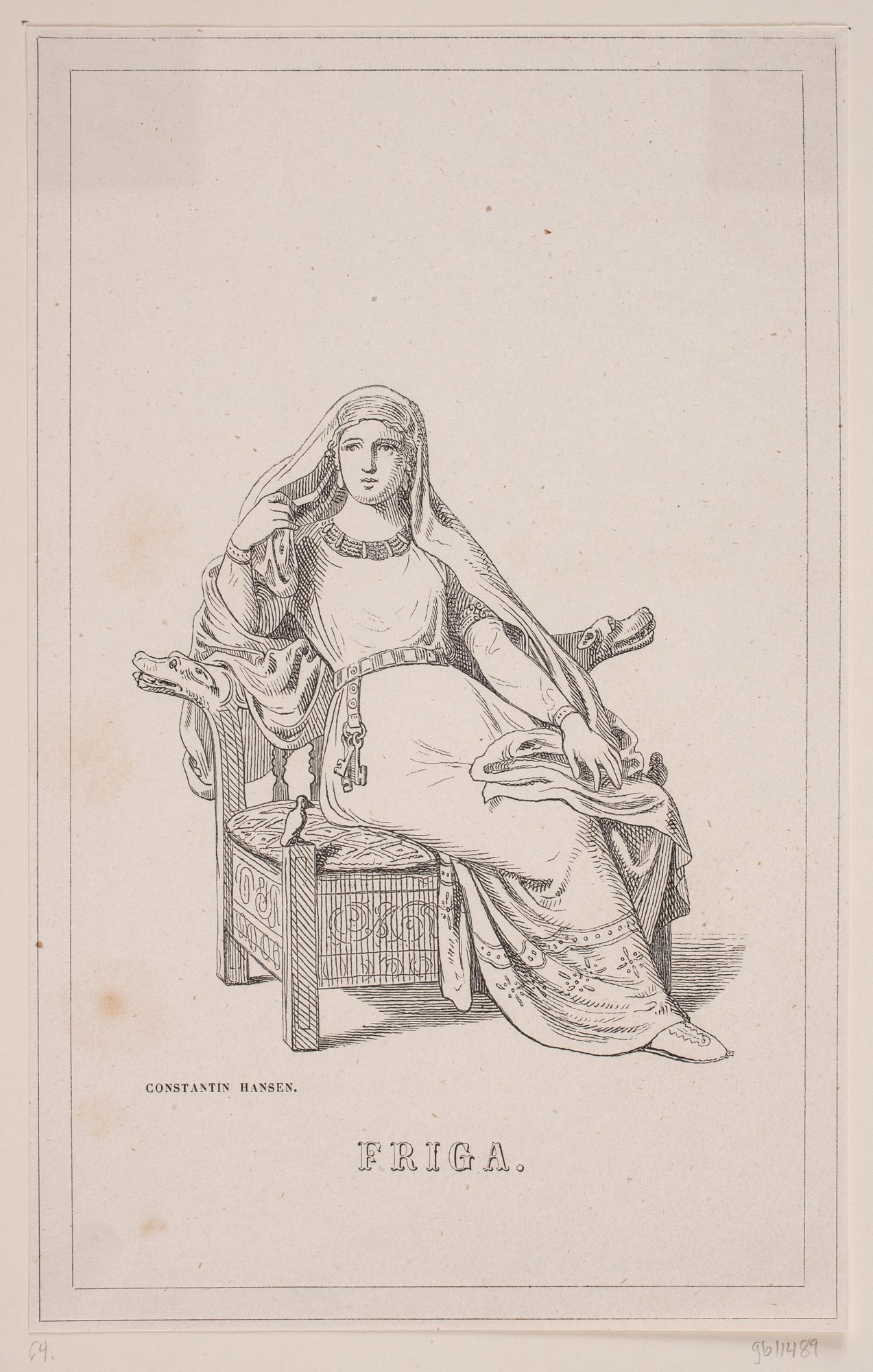
She knows the fate of every living thing and never speaks it, and when the one doom she tried to bar comes for her son, all she can do is weep: the foremost of the goddesses, undone by a single overlooked shrub.
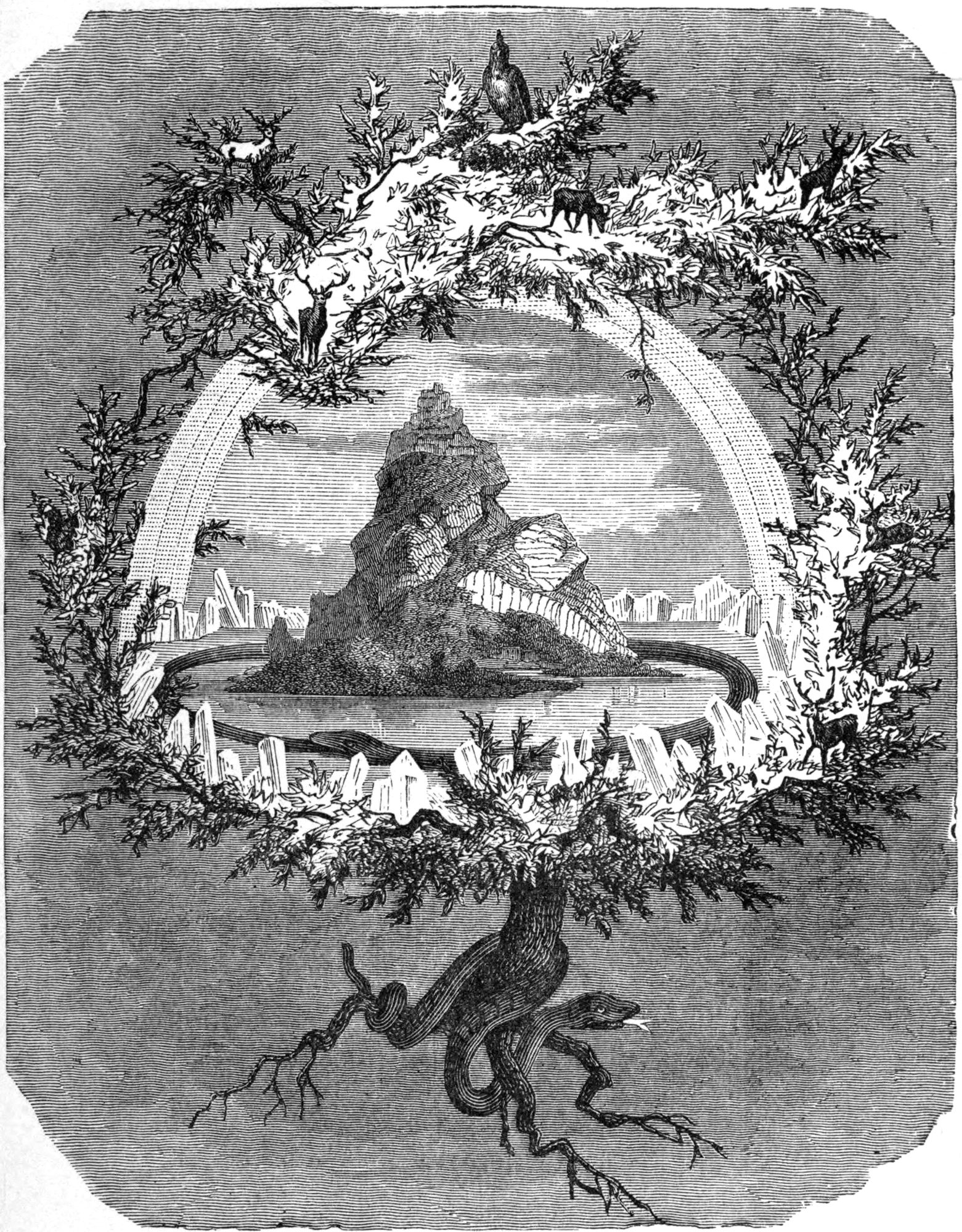
The great ash that binds the worlds is not a serene axis but a creature in perpetual pain: gnawed above, rotting within, torn from below, and still standing green over the well where the Norns pour their clay.
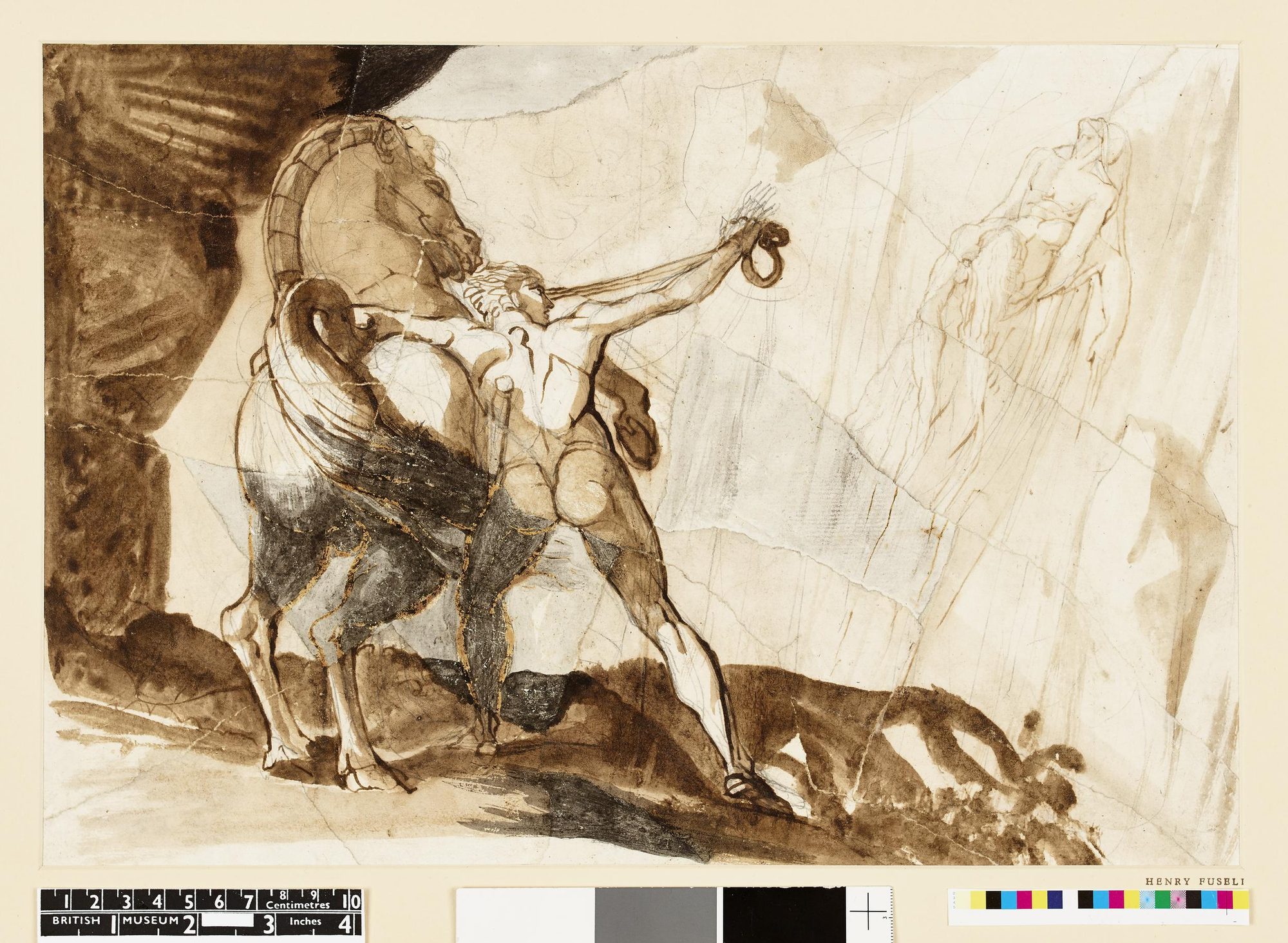
He hanged himself on the world-tree and gave an eye to a well, and in return he took the runes and the deepest draught of wisdom: the god who paid for knowledge in his own flesh.
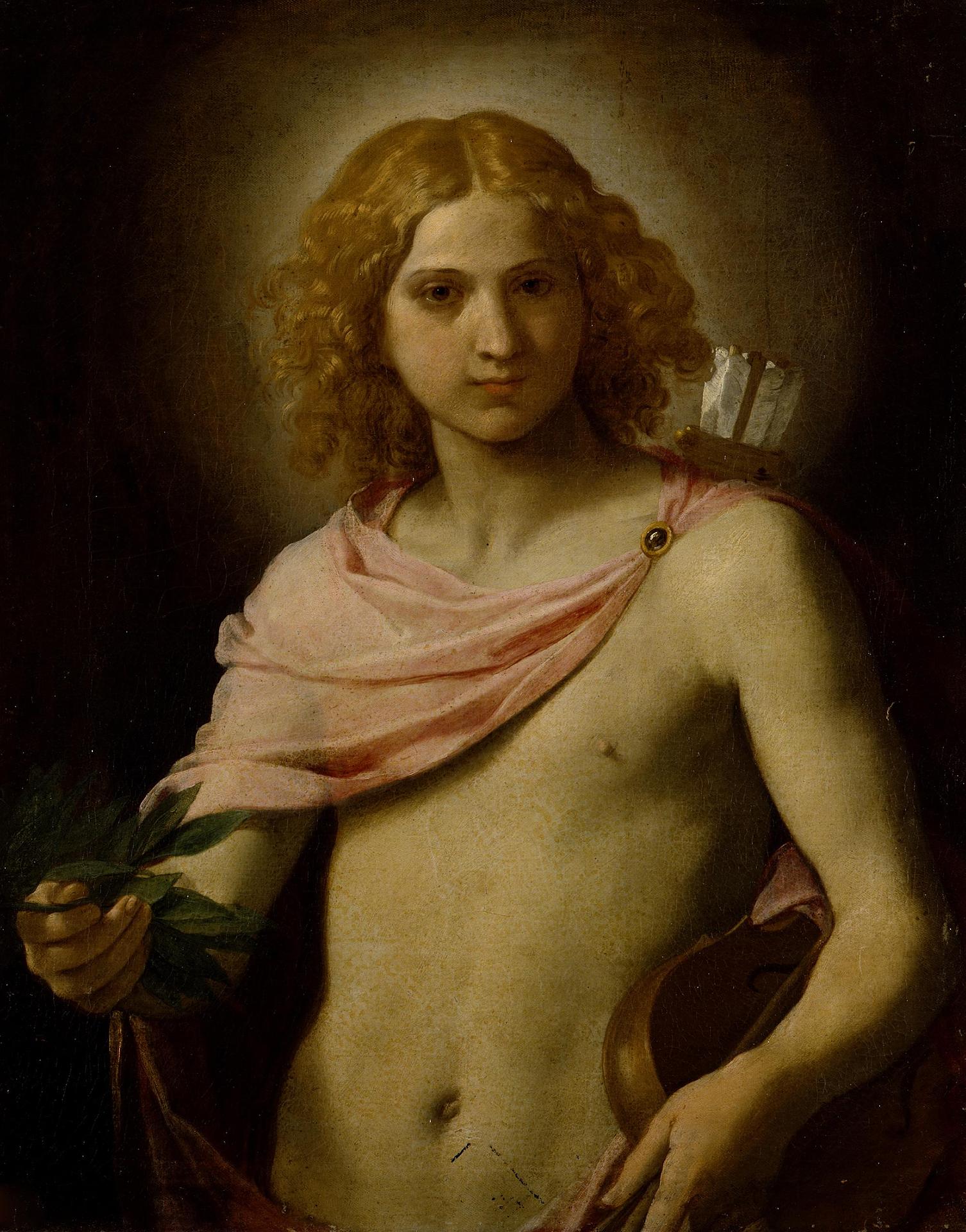
The newborn who burst his swaddling bands to claim the lyre, the bow and the truth of Zeus, then killed a dragon to found the oracle that spoke for him.
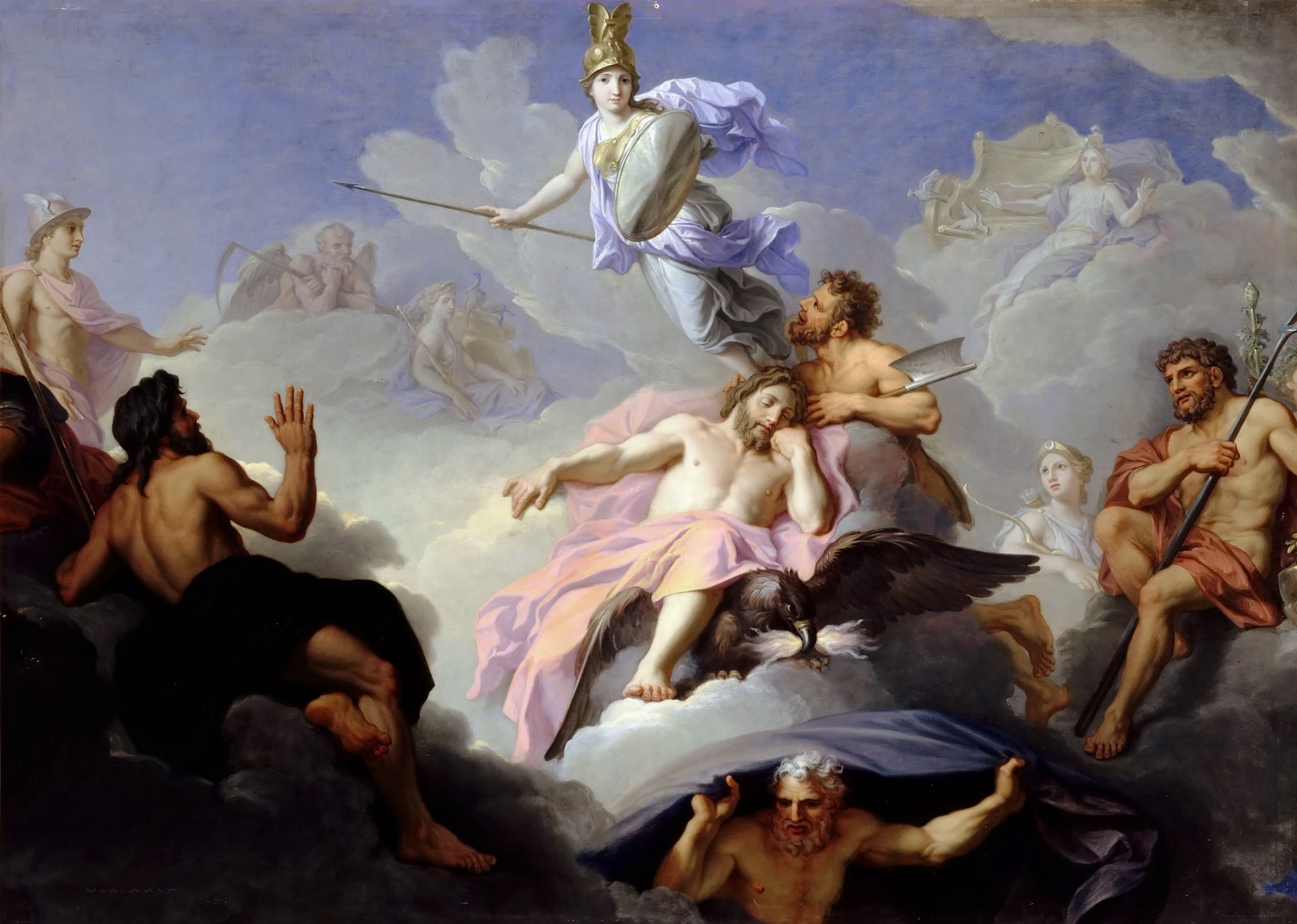
She was born from her father's skull in full armour, spear already levelled, and the whole of Olympus reeled at the sight of a daughter equal to Zeus.
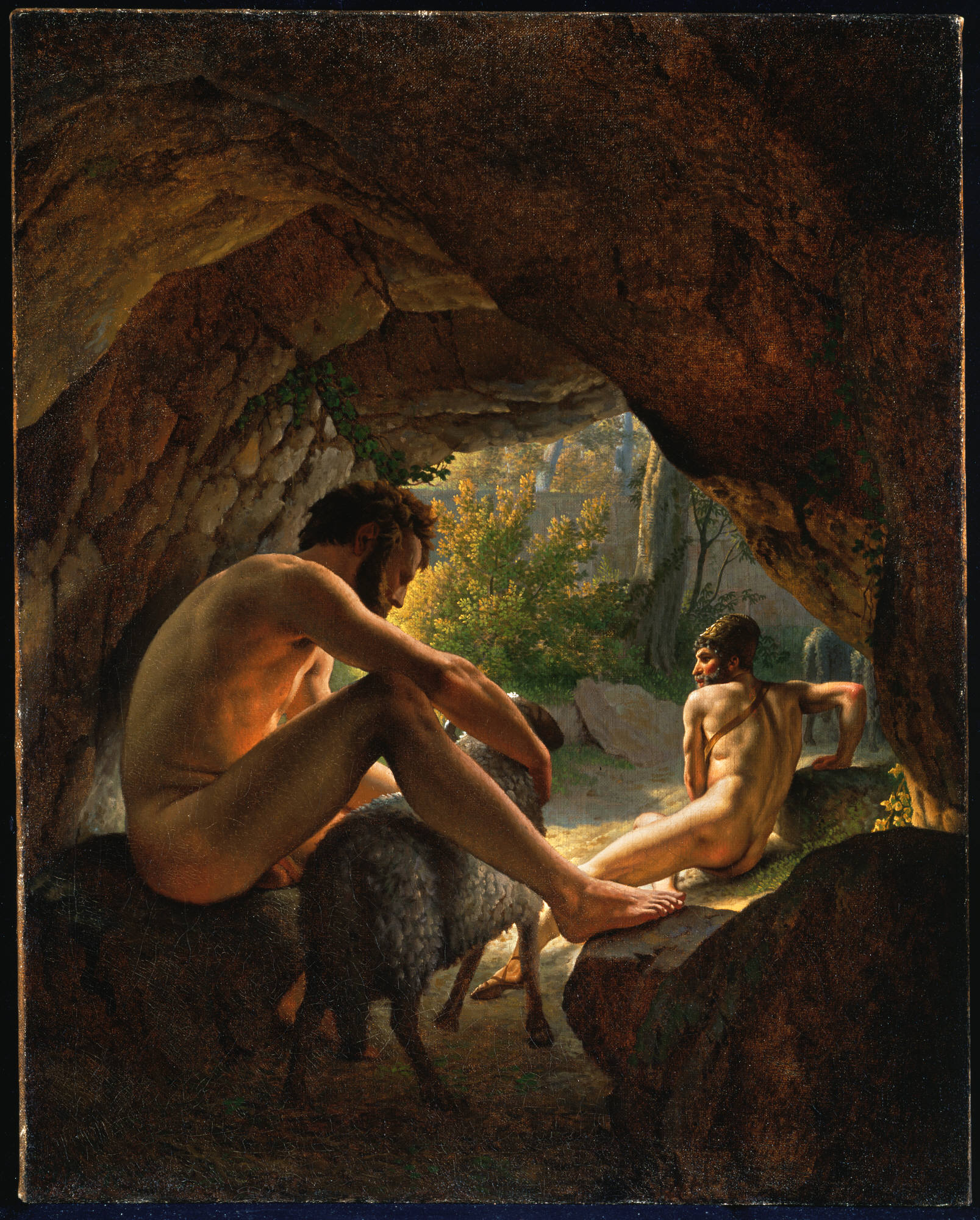
He beat a giant with a lie and a sharpened stake, then threw it all away for the pleasure of hearing the monster learn his name.
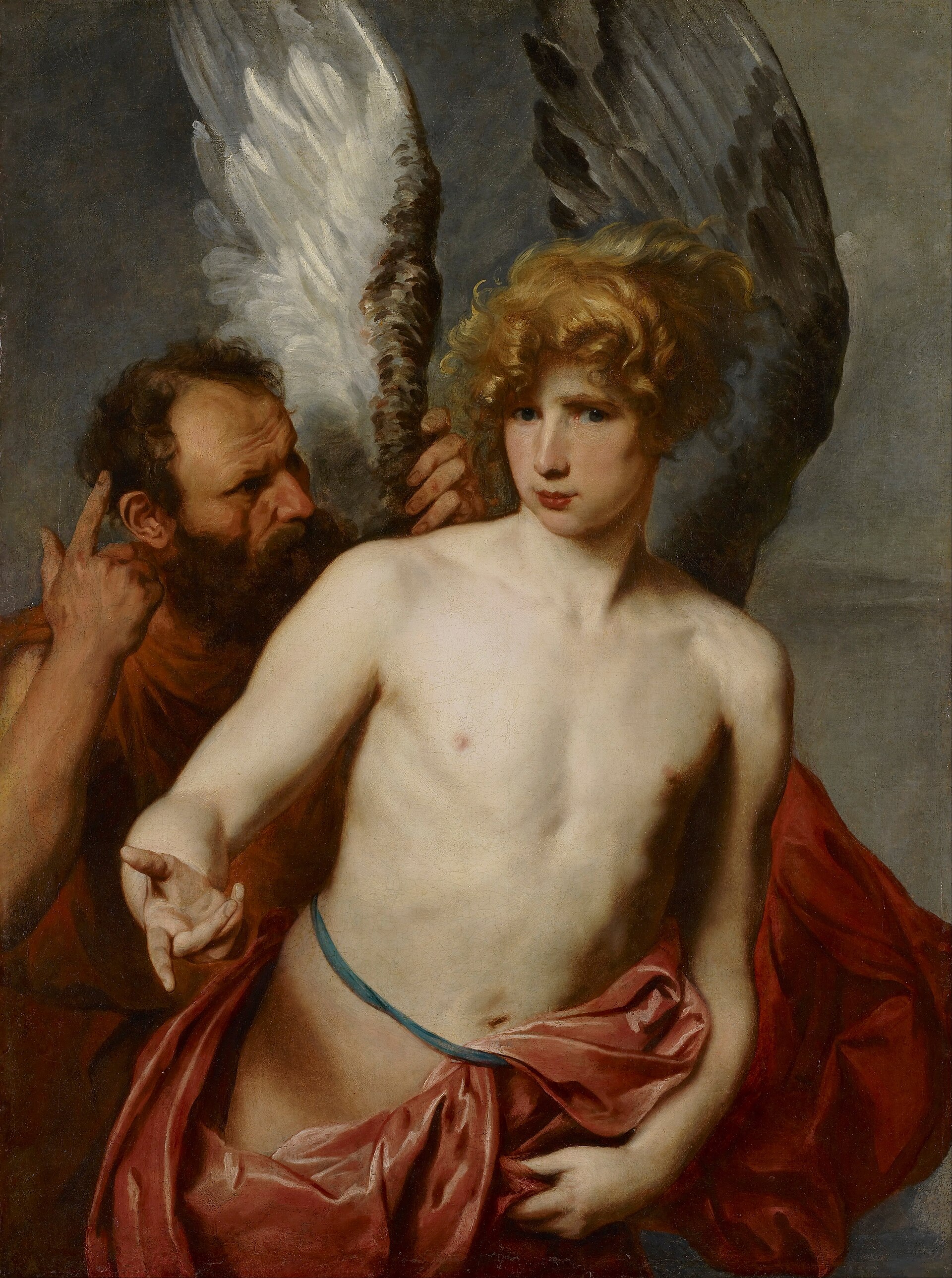
A caged inventor reasons that if the sea and the land are watched, the sky at least lies open. He builds his son a pair of wings, and gives him one rule to keep him alive.
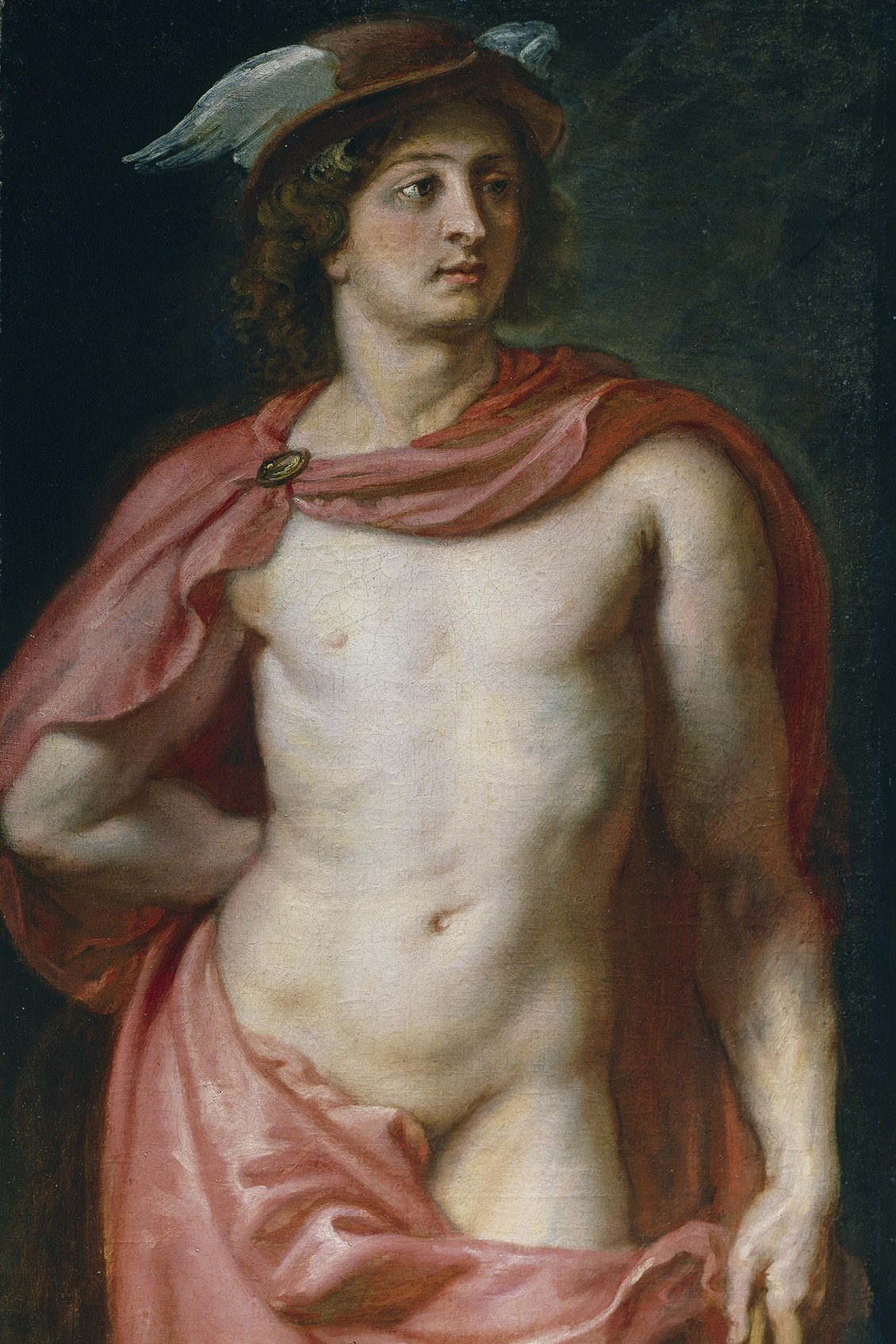
Born at dawn, he had invented the lyre and stolen a god's cattle before nightfall. The trickster who talks his way onto Olympus and walks the dead down to Hades.